The flower retail sector is slowly but steadily changing. With increasing demand for convenient shopping experiences, and shifts in consumer behavior, new opportunities are emerging that go beyond the conventional flower shop.The flower vending machine, a self-service retail system, is one solution that is gaining traction, as customers are able to buy fresh flowers without having to wait until the store is open. It is a new channel to customers for florists, retail stores and vending machine operators and a solution for spontaneous gifting opportunities.But it's not just about putting flowers in a refrigerated cabinet.Product selection, storage conditions, restocking frequency, location quality and daily operations all are important.
What Is a Flower Vending Machine?
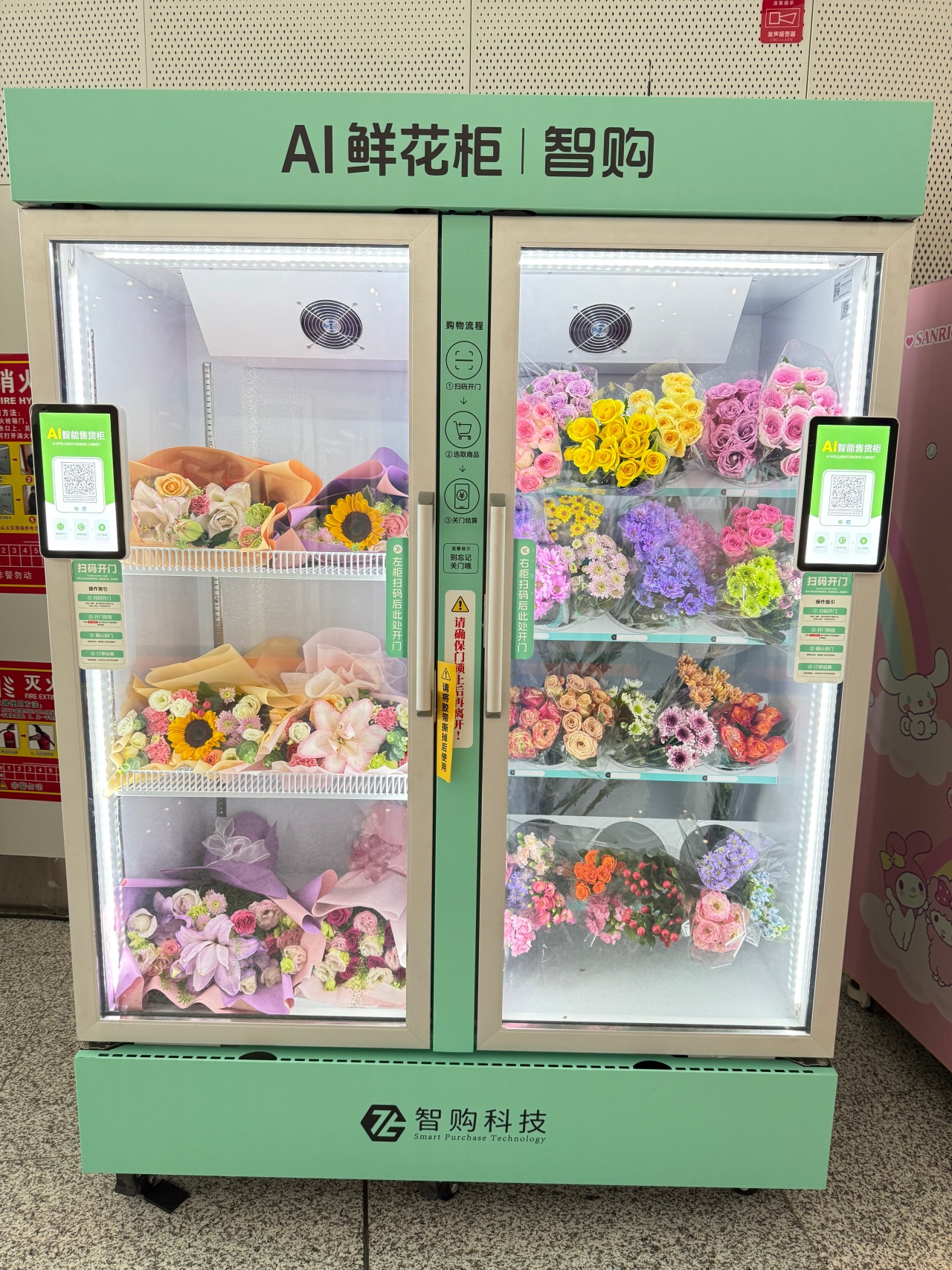
Flower vending machine is an automated retail cabinet that is used to store, display and sell fresh flowers and bouquets, and selected plant products. The majority of models feature refrigerated storage units to ensure appropriate conditions for the cut flowers throughout the day, while enabling clients to wander and buy products on their own.
A flower bouquet vending machine can have individual compartments, transparent doors for displaying products or other secure means for accessing products. Customers choose an item, pay via payment system in-built, and take the item without needing to speak to a member of the store staff.
A modern fresh flower vending machine may include:
Refrigerated storage: Helps maintain appropriate storage temperatures for different floral products.
Transparent display areas: Allow customers to view bouquets before purchasing.
LED lighting: Improves product visibility and makes floral colors more attractive.
Digital payment systems: Support available payment methods such as bank cards, contactless payments, and mobile wallets, depending on the configuration and market.
Remote management software: Enables operators to monitor sales, inventory, and supported equipment conditions.
Secure access mechanisms: Help protect products and prevent unauthorized access.
The result is a compact, self-service floral retail point that can operate beyond traditional business hours.
What Products Can a Flower Vending Machine Sell?
One of the most crucial aspects of running a successful flower vending machine business is selecting the right products. Flowers are different from conventional vending items as they come in different sizes, shapes, packages and have different storage times. Therefore, the internal arrangement and storage of the machine should be according to the product to be offered.
Common product categories include:
Single-Variety Flower Bouquets
Popular choices include roses, sunflowers, lilies, tulips, and other seasonal flowers. These products are relatively easy for customers to understand and can be presented in standardized packaging.
Mixed Seasonal Bouquets
Mixed bouquets combine different flower varieties, colors, and textures. A flower bouquet vending machine can offer different arrangements according to seasonal availability, local preferences, and upcoming occasions.
Occasion-Based Floral Arrangements
Bouquets for birthdays, anniversaries, Valentine's Day, Mother's Day, congratulations, and sympathy occasions can help attract customers with specific gifting needs.
Potted Plants and Small Greenery
Some machines may accommodate compact potted plants, succulents, and other small decorative greenery. These products can appeal to customers looking for gifts that last longer than cut flowers.
Complementary Gift Items
Greeting cards, small vases, gift bags, and selected accessories can increase the convenience of purchasing a complete gift in one transaction. Any additional products should be compatible with the machine's storage capacity and operating conditions.
A practical product strategy should consider bouquet dimensions, packaging, price points, expected turnover, and the local customer base. Offering too many product types can complicate inventory management, while a carefully selected range can make restocking and demand forecasting easier.
How Does a Fresh Flower Vending Machine Keep Flowers Fresh?
Freshness is one of the biggest challenges in automated floral retail. Cut flowers are perishable products, and their quality can deteriorate when exposed to unsuitable temperatures, dehydration, contamination, or physical damage.
A refrigerated fresh flower vending machine helps create a more controlled storage environment, but refrigeration alone does not guarantee long-lasting freshness. Effective flower preservation requires appropriate handling, suitable storage conditions, and regular inventory rotation.
1. Temperature Management
Temperature control helps slow down the deterioration of many cut flowers after harvesting. However, different flower varieties have different storage requirements. Tropical flowers, for example, may be sensitive to temperatures that are suitable for certain temperate flower varieties.
Operators should follow the storage recommendations for the specific flowers they sell rather than applying one universal temperature setting to every product.
A suitable refrigerated flower cabinet should provide:
Stable temperature control within the equipment's specified operating range.
Consistent cooling throughout the storage area.
Adequate air circulation around stored products.
Reliable monitoring of cabinet temperature.
Alerts for abnormal temperature conditions, where supported.
The refrigeration system should be selected according to the intended flower varieties, product volume, cabinet structure, and local operating environment.
2. Humidity and Air Circulation
Another factor in floral storage is humidity control. Too much moisture can lead to condensation and mould growth, too little moisture can cause flowers to wilt and flowers to dry out. The proper airflow within the cabinet provides more consistent conditions within the cabinet. Bouquets should also not be too dense and the placement of the packaging on the bouquet should not impede air flow.
The proper storage conditions will vary depending on the type of flowers, the packaging, and the length of storage. Requirements and specifications of the equipment must be reviewed with the actual need of the products being sold.
3. Lighting and Product Presentation
Visual presentation directly influences purchasing decisions. Customers often choose flowers based on color, appearance, and how well the arrangement is displayed.
Transparent doors, suitable internal lighting, and well-organized product placement can improve visibility and make a floral vending machine more appealing.
LED lighting can help showcase floral arrangements while providing an efficient display solution. Operators should also consider heat generated by lighting and ensure that the overall cabinet design maintains suitable storage conditions.
4. Proper Packaging and Handling
Flowers can be damaged by pressure, friction, and unsuitable packaging during storage and retrieval. Bouquets should be secured in a way that protects petals, stems, and decorative elements.
Before placing products inside the machine, operators should check:
Whether bouquets fit the available storage space.
Whether stems and petals are protected from compression.
Whether packaging allows suitable air circulation.
Whether customers can retrieve products without damaging them.
Whether water, moisture, or floral materials could affect the machine's internal components.
The dispensing structure should be tested with actual bouquets before the machine is deployed commercially.
Where Should You Install a Flower Vending Machine?
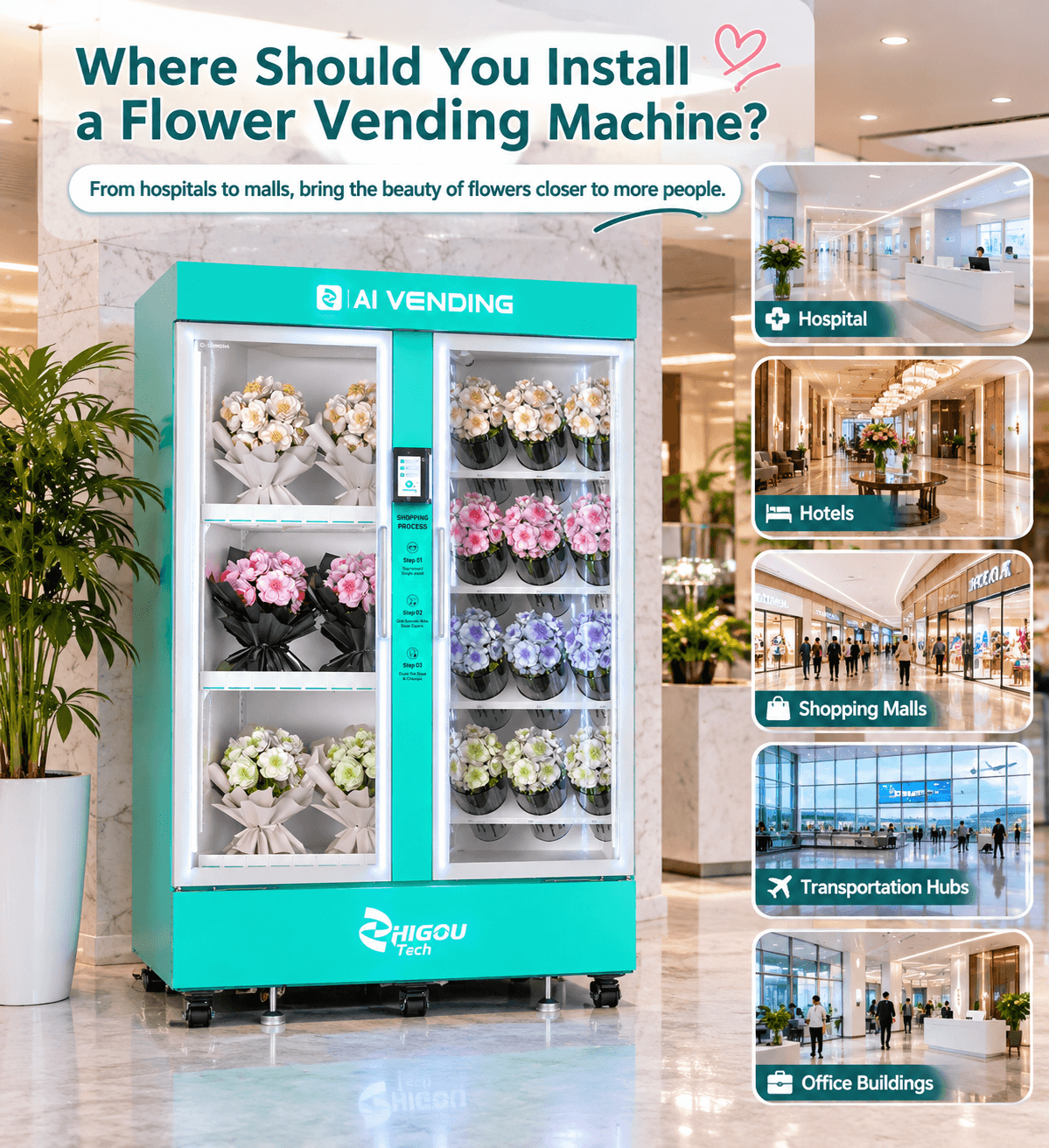
Location selection is one of the most important factors affecting sales performance. A flower vending machine needs access to customers who have a reason to purchase flowers, as well as sufficient visibility and convenient access.
Unlike traditional flower shops, automated floral retail can operate in locations where a dedicated retail storefront may be too expensive or impractical.
Hospitals and Medical Centers
Hospitals can generate demand for flowers from visitors purchasing gifts for patients and family members. However, operators should check facility policies regarding flowers, infection-control requirements, delivery access, and approved installation areas before selecting a location.
Hotels and Residential Buildings
Hotel lobbies, serviced apartments, and upscale residential communities can provide convenient access to customers looking for gifts, decorative flowers, or last-minute purchases.
A flower vending machine may also serve as an additional amenity that enhances tenant or guest experience.
Shopping Malls and Commercial Centers
Shopping malls offer opportunities to reach shoppers who may make spontaneous purchases while visiting stores, restaurants, or entertainment facilities.
Placement near entrances, escalators, supermarkets, and other high-visibility areas may improve product exposure, subject to the property's layout and leasing arrangements.
Transportation Hubs
Airports, train stations, and other transportation hubs bring together travelers, commuters, and people meeting friends or family members. These locations may create demand for convenient gifting options, particularly when traditional flower shops are unavailable.
However, operators should account for installation restrictions, security requirements, rental costs, and access to restocking areas.
Office Buildings and Business Parks
Office buildings and business parks can provide opportunities for birthday gifts, workplace celebrations, and personal purchases. Demand may vary significantly depending on the workforce, building occupancy, and surrounding retail options.
The best location is not necessarily the one with the highest pedestrian traffic. Operators should evaluate customer purchasing intent, visibility, accessibility, operating costs, competition, and restocking convenience together.
How to Operate a Flower Vending Machine Business
A flower vending machine business requires more operational planning than selling non-perishable vending products. Flowers have a limited selling period, and product quality must be maintained throughout storage and display.
A structured operating process can help reduce waste and improve the customer experience.
1. Build a Reliable Flower Supply Chain
Operators need dependable suppliers who can provide consistent product quality and timely deliveries.
Potential supply sources include local flower farms, wholesale flower markets, floral distributors, and established florists.
When selecting suppliers, consider:
Flower quality and freshness upon delivery.
Availability of popular varieties.
Seasonal supply fluctuations.
Delivery frequency and transportation conditions.
Packaging and preparation capabilities.
Purchase prices and minimum order quantities.
A reliable supply chain is particularly important during high-demand periods such as Valentine's Day and Mother's Day.
2. Plan Inventory and Restocking
Unlike packaged vending products, flowers cannot remain in a machine indefinitely. Operators should establish a clear inventory rotation process and monitor the condition of every bouquet.
Useful practices include:
Using a first-in, first-out inventory rotation system.
Recording delivery and stocking dates.
Monitoring sales by flower variety.
Adjusting order quantities according to demand.
Removing damaged or unsuitable products promptly.
Checking cabinet conditions during replenishment.
Remote inventory reports can help operators plan restocking, but physical inspections remain important because software cannot fully assess the appearance and quality of every bouquet.
3. Adjust Product Selection to Local Demand
Flower preferences vary by region, customer group, and season. Operators should use actual sales data and customer feedback to refine their product range.
For example, roses may be particularly relevant around Valentine's Day, while mixed seasonal bouquets may appeal to customers throughout the year.
Testing a limited selection before expanding the product range can help reduce inventory risk and identify the most suitable products for each location.
4. Establish a Maintenance Schedule
Regular maintenance is essential for both flower quality and machine reliability.
A practical inspection routine should include:
Checking cabinet temperature and cooling performance.
Inspecting door seals and cabinet cleanliness.
Checking drainage and condensation.
Cleaning internal surfaces according to equipment instructions.
Inspecting locks, sensors, and payment components.
Testing product retrieval and payment functions.
Reviewing software connectivity and equipment alerts.
Maintenance frequency should reflect customer traffic, operating conditions, equipment specifications, and the types of flowers being stored.
Flower Vending Machine Business: Benefits and Challenges
Automated floral retail offers several potential advantages, but operators should evaluate the business model realistically before investing.
Key Business Advantages
Extended Sales Hours
A flower vending machine can make products available beyond the opening hours of a traditional flower shop. This is useful for customers who need flowers early in the morning, late at night, or during holidays.
Additional Sales Channels
Florists and flower retailers can use a floral vending machine to reach customers in locations outside their existing stores. This can complement traditional retail rather than replace it.
Lower Staffing Requirements at the Point of Sale
Self-service transactions reduce the need for a full-time sales employee at each machine location. However, operators still need to manage purchasing, transportation, replenishment, cleaning, maintenance, and customer support.
Flexible Location Expansion
Compared with opening a traditional flower shop, deploying a flower vending machine may require less retail space and fewer on-site staffing resources. This can make it easier to test smaller markets or expand into additional locations.
Remote Operational Visibility
Connected vending systems can provide useful information about inventory, transactions, and equipment conditions. This helps operators manage multiple locations more efficiently.
Key Challenges to Consider
Flower Freshness and Product Waste
Flowers are perishable, and unsold inventory may lose commercial value. Poor demand forecasting, unsuitable storage conditions, and infrequent replenishment can increase waste.
Higher Initial Equipment Investment
A high-quality refrigerated flower vending machine generally requires more specialized equipment than a standard snack vending machine. Operators should consider the refrigeration system, cabinet design, payment configuration, software, transportation, and installation costs.
Supply Chain Complexity
Fresh flowers require careful handling and timely transportation. Reliable suppliers and efficient replenishment routes are essential for maintaining product quality.
Seasonal Sales Fluctuations
Sales may increase significantly around major holidays such as Valentine's Day and Mother's Day. Operators need to plan inventory carefully to avoid both stock shortages and excessive unsold products.
Location and Rental Costs
A high-traffic location may also involve higher rental fees or stricter installation requirements. Operators should compare expected sales opportunities with rent, electricity, logistics, and maintenance expenses.
How to Evaluate the Profitability of a Flower Vending Machine
A flower vending machine business should be evaluated using actual operating costs and realistic sales assumptions rather than relying only on the convenience of unattended retail.
Important financial factors include:
Equipment purchase and installation costs.
Flower purchasing and packaging costs.
Location rental or revenue-sharing fees.
Electricity and refrigeration expenses.
Transportation and replenishment costs.
Payment processing fees.
Maintenance and repair expenses.
Unsold inventory and product waste.
Marketing and promotional costs.
Operators can estimate the performance of a machine by tracking average selling price, daily transactions, product margins, replenishment frequency, and inventory waste.
A useful starting point is to compare the gross profit from flowers sold with the total operating expenses over the same period.
The break-even point will depend on the machine's purchase price, sales volume, product margins, location costs, and ongoing operating expenses. Testing a small number of locations before expanding can provide more reliable information than relying on assumptions alone.
The Future of Automated Floral Retail
Flower vending machines represent an emerging opportunity to combine traditional floral retail with modern self-service technology. As customers become more accustomed to automated purchasing and businesses look for flexible retail formats, refrigerated vending solutions may create additional opportunities for florists, distributors, property managers, and vending operators. Future developments may include more precise environmental monitoring, improved inventory forecasting, personalized product recommendations, and deeper integration with online ordering and delivery services.
However, technology alone will not determine the success of automated floral retail. Freshness, product presentation, reliable supply chains, and convenient locations will remain central to the customer experience. The most effective floral vending operations will combine the efficiency of automation with the product knowledge and attention to detail traditionally associated with professional florists.
Frequently Asked Questions About Flower Vending Machine
What Is a Flower Vending Machine?
A flower vending machine is a self-service refrigerated cabinet designed to store and sell fresh flowers and bouquets. It allows customers to purchase floral products without visiting a traditional flower shop.
Do Flower Vending Machines Keep Flowers Fresh?
Refrigerated flower vending machines help maintain suitable storage conditions and slow the deterioration of many cut flowers. Actual freshness depends on flower variety, pre-storage handling, temperature, humidity, packaging, and restocking frequency.
What Is the Difference Between a Flower Vending Machine and a Floral Vending Machine?
Both terms generally describe automated retail equipment designed to sell flowers. A floral vending machine may refer more broadly to machines selling different floral products, while a flower vending machine is a more direct term commonly used to describe equipment for selling fresh flowers and bouquets.
What Temperature Should a Fresh Flower Vending Machine Maintain?
There is no single temperature suitable for every flower variety. Different flowers have different storage requirements, so operators should follow supplier recommendations and configure the refrigeration system accordingly.
Where Is the Best Place to Install a Flower Vending Machine?
Potential locations include shopping malls, hotels, residential buildings, transportation hubs, office buildings, and selected healthcare facilities. The best location depends on customer demand, visibility, rental costs, accessibility, and replenishment convenience.
Can a Flower Bouquet Vending Machine Operate 24/7?
Many unattended flower vending machines are designed to support continuous operation. However, actual availability depends on the installation environment, electricity supply, payment system, connectivity, equipment condition, and site operating rules.
Can Existing Florists Use a Floral Vending Machine?
Yes. Florists can use a floral vending machine as an additional sales channel, extending their reach to locations where operating a staffed shop may not be practical. They can also use machines to serve customers outside normal business hours.
Conclusion
Flower vending machine is creating new possibilities for the floral retail industry by making fresh flowers more accessible through automated, self-service purchasing. A flower vending machine gives florists and vending operators a chance to contact new clientele, increase sales channels, and offer practical gift options outside of regular business hours. As automated retail continues to develop, fresh flower vending machines may become an increasingly practical way to bring fresh flowers closer to where people live, work, travel, and shop.