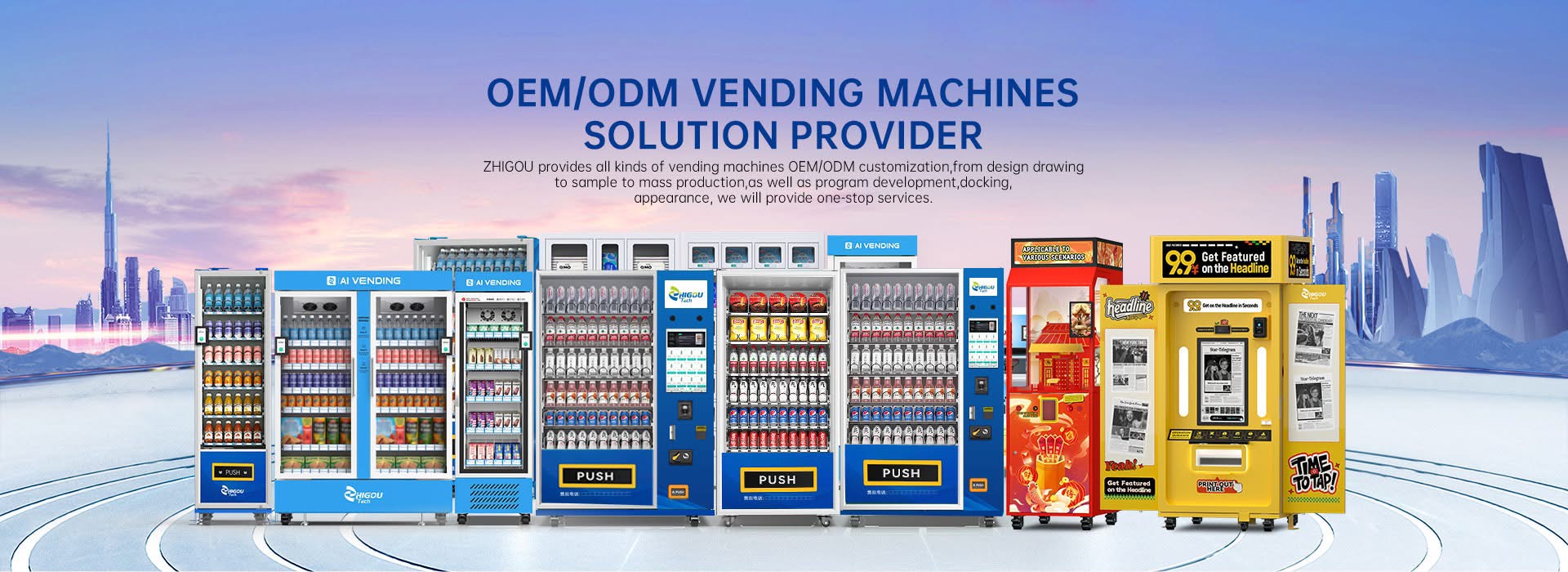
The Smart Vending Machine: Beyond Just Snacks - A Retail Revolution
2026-07-16
View: 302
Leave a message
Today, the vending machine is undergoing a profound transformation. We are witnessing the rise of the Smart Vending Machine, representing a significant leap in Retail Technology. It’s evolving from a simple dispenser into an intelligent, connected retail channel powered by Contactless Payment solutions, sophisticated data analytics, and seamless connectivity through IoT Applications. This marks a shift in Consumer Behavior, as customers increasingly expect frictionless, personalized interactions. For operators, these machines offer unprecedented insights into inventory and sales patterns, enabling smarter Inventory Management decisions. This innovation transcends mere convenience; it represents a fundamental rethink of unattended retail operations.
From Mechanics to Microprocessors
The journey began within the machine itself. The key technological driver is the Ubiquitous Connectivity afforded by cellular (4G/5G) and Wi-Fi networks. This constant connection transforms a standalone unit into a node in a powerful network. Gone are the simple buttons. High-resolution touchscreens or interactive digital displays are now standard, enabling richer user interfaces, dynamic content (like advertisements, nutritional info, or recipes), and multi-step interactions.
The payment revolution is equally crucial. While cash acceptance remains important, modern machines heavily favor SensoTec Contactless Payment systems like NFC-enabled credit/debit cards (Apple Pay, Google Pay), digital wallets, and QR code-based transactions. This caters directly to the demand for faster, more hygienic payment experiences. Integrating RFID tags or computer vision allows for Accurate Identification of products within the machine, eliminating dispensing errors that plagued older models.
Cloud computing forms the backbone of this transformation. Machine data – stock levels of each product, sales transactions (including time, location, specific SKU sold), operational status (temperature, faults, power consumption) – streams in real-time to cloud platforms. This influx of Machine Generated Data provides invaluable insights for operators. Inventory management becomes proactive: machines automatically send alerts when stock is low on specific items or if temperature deviates from the optimum range for perishable goods. Remote diagnostics allow issues to be pinpointed before they frustrate customers. This is the essence of data-driven Inventory Management and proactive machine maintenance.
Transforming the Retail Experience and Operation
For consumers, the smart vending machine offers unprecedented speed and convenience. Forget scrambling for coins; a simply tap-and-go makes the transaction frictionless. Digital interfaces can guide users, offer suggestions ("Customers also bought..."), provide detailed product information, and enhance the buying journey. Machines adapted with larger capacities and sophisticated Climate Control Systems can now reliably stock a wider range of products: freshly prepared salads, gourmet coffee, artisan sandwiches, electronics accessories, and even pharmaceuticals. Locations expand beyond the traditional spots to hospitals (offering 24/7 medical supplies), public pools (providing swim gear), and apartment complexes (for package pickups and household essentials).
For operators and retailers, the impact is profound. Real-time data transforms supply chain logistics. Instead of relying on schedules or estimates, operators know exactly when and where goods are needed, optimizing Supply Chain Logistics routing and minimizing stockouts or wastage. Premium items previously considered too risky can now be stocked confidently, knowing demand can be precisely tracked. Intelligent systems can even dynamically adjust pricing based on time of day or local demand. The level of oversight rivals that of a small, networked retail outlet.
The Emerging Future: The Vending Hub
Looking forward, the frontier involves increased intelligence driven by Artificial Intelligence integration. Machines could leverage Machine Learning algorithms to analyze local purchasing patterns, weather, and events to predict demand spikes and optimize stock levels proactively. Advanced sensors and machine learning could even predict potential mechanical failures before they occur. Building on this technological foundation, leveraging Data Analytics allows operators to maximize unit profitability by tailoring inventory to precise locations or events.
Driven by consumer expectations for ultra-convenient services and Retail Technology advancements, these intelligent kiosks are becoming more sophisticated Logistical Hubs. Expect deeper integration into broader retail ecosystems: a machine might accept returns for online orders, act as a pickup point for click-and-collect purchases, or integrate with loyalty programs. Computer Vision technology could enable age verification for restricted products (tobacco, alcohol), while further personalization might involve suggesting products based on past purchase history (with appropriate consent). Sustainability is also a growing