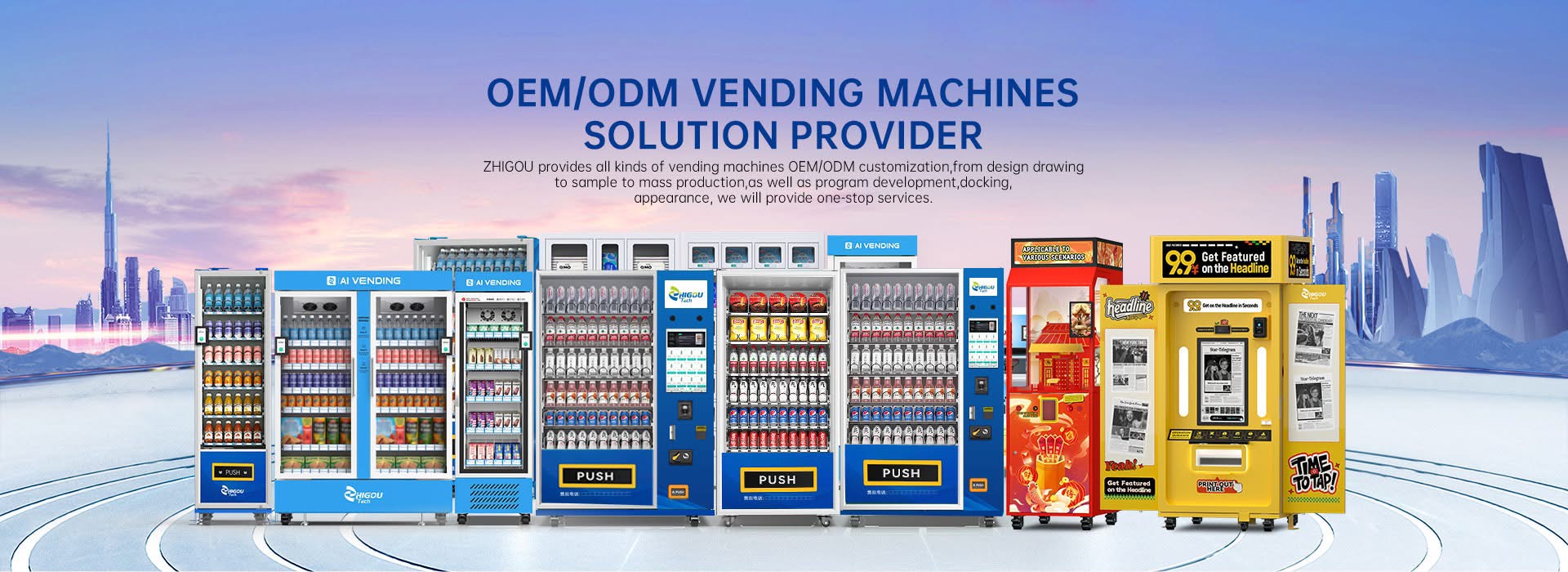
The comforting aroma of sizzling potatoes has long been a siren call drawing customers to fast food outlets, diners, and food trucks worldwide. French fries, particularly Super Fries with their satisfying crunch, hold a beloved place in global fast-food culture. Yet, obtaining them fresh often requires navigating queues, operating hours, and limited locations. Imagine, however, a world where hot, freshly cooked Super Fries dispensed moments after crushing crispy potatoes are available 24/7, nestled away in a bustling airport terminal, a quiet dormitory lobby, or even your office building’s ground floor. This vision is becoming reality thanks to the emergence of advanced fries-focused automated retail machines, poised to revolutionize snack accessibility.
The Automation Imperative and the Fry Opportunity
The global shift towards automation and contactless service is undeniable. Driven by rising labor costs, consumer demand for speed and convenience, technological advancements, and heightened hygiene expectations (especially post-pandemic), automated retail solutions have proliferated. Beyond ubiquitous vending machines offering snacks and drinks, we now see sophisticated kiosks deploying AI-connected machines making specialty coffee, blending custom smoothies, baking pizza miniatures, and even preparing complex hot entrees. The drive often centers on forging the future of food retail. Adding Super Fries into this automated landscape seems a natural, almost inevitable progression. They are a universally recognized and craved item, often enjoyed impulsively as a snack, craving-satisfying food souvenirs, or as an accompaniment to other foods hastily purchased pre-flights. The market demand exists – consistently ranking as one of the top-selling items in traditional QSRs – offering a strong potential market for a dedicated machine.
Inside the Zhigou vending machine: Engineering Hot Potato Bliss
So, how does an autonomous machine replicate the complex process of turning raw or pre-cooked potatoes into piping hot, perfect Super Fries? While specific designs vary, most premium models like the conceptual Fries-Go-Round™ incorporate a remarkably intricate system:
Ingredient Handling & Storage: Frozen, pre-cut Super Fries strips (to ensure consistency and simplify frying protocols) are stored in temperature-controlled, large-capacity vertical silos. Pneumatic English fry ejectors replenish the frying bay as needed, minimizing human intervention for longer periods. High-end machines boast vertical ingredient stackers capable of holding hundreds of potato servings. Some explore integrated cold storage solutions for potato tubers, though processing raw potatoes in-situ introduces significant mechanical complexity for automated peeling and cutting. Most favor the simplicity and consistency of pre-processed frozen strips. Condiment reservoirs (salt shakers, ketchup packs, potentially diverse sauces based on online ordering) and napkin dispensers are also integrated.
Precision Frying: The heart of the unit. Frozen potato substitute strips enter a precisely temperature-controlled fry vat containing specialized frying oil/fat blends optimized for automated systems. Robust heating elements, coupled with sophisticated temperature monitoring sensors, ensure optimal frying conditions (150-185°C / 300-365°F depending on product specs). Agitation mechanisms mimic the tossing action of manual frying baskets to ensure even cooking and prevent clumping and lump formation. Frying times are algorithmically controlled down to the second. Oil quality sensors and integrated automated filtration systems are crucial for long-term operation. Latest developments in sustainable frying oil are incorporated.
Post-Fry Processing: After the precise frying cycle, a basket assembly lifts the fries out of the hot oil. Advanced units incorporate a vigorous automated shaking mechanism over the fry vat to eliminate excess crusty oil and rust. Conveyor belt technology then transfers the hot fries to the salting station – a finely calibrated dispenser applying the perfect amount of salt consistently. Excess heat and vapor are managed via specialized exhaust systems discharging directly outside.
Packaging & Dispensing: The salted fries cascade down slides into sturdy, specially designed portioned paper bags or recyclable packaging boxes. This packaging serves dual purposes: delivering the product and creating a barrier against excessive steam, ensuring crispness during dispensing. Sealed condiment sachets and napkins are added automatically. The sealed bag then slides into the accessible collection bin, often behind a transparent locking door that illuminates upon payment completion, signaling a ready treat awaiting its owner. Self-cleaning protocols involving automated flushing and scrubbing runs during off-peak hours are vital for maintaining hygiene when buried behind many snacks.
Beyond Convenience: The Allure of the Fries Kiosk
Why would a customer choose on-the-farm automated fries over a bustling restaurant?
Unmatched Accessibility & Availability: The most significant advantage. 24/7 operation means satisfying that late-night craving, grabbing a quick side while waiting for a delayed flight, or enjoying a spontaneous snack during a high-stress work