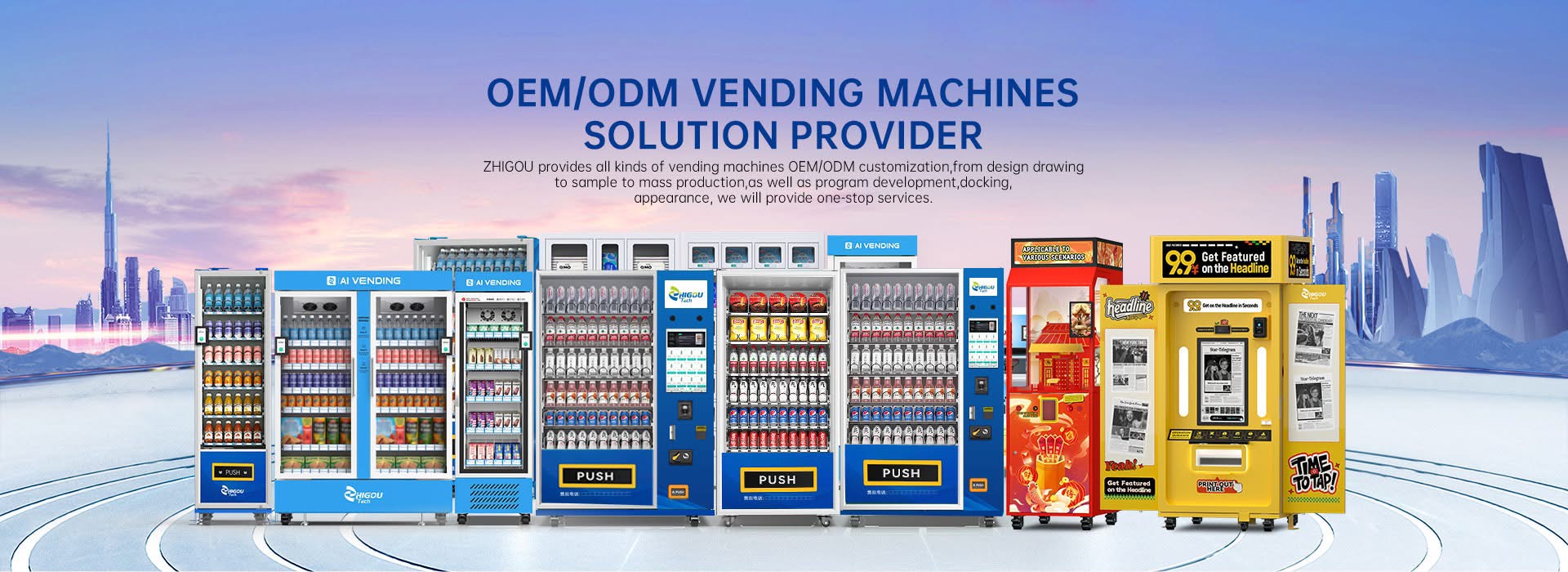
No — despite what social media makes it look like, you cannot just drop a vending machine anywhere you please. Regardless of the country or region overseas, vending machine operations must comply with intellectual property rules, local regulations, and licensing requirements. Neglecting legal compliance can lead to a range of risks, including equipment removal, fines, and business disputes—a critical issue that entrepreneurs in the overseas vending machine industry must understand in advance. Here's what the law actually requires in 2026.
Legal Requirements Checklist
Requirements vary by state and city — always verify locally before operating.
Requirement | When Required | Notes |
Property owner permission | Always | A written placement agreement is required in nearly every case |
Vending machine operator license | Most states | State-issued license, often $25–$200/year |
Sales tax permit / seller's permit | Most states | Required to legally collect and remit sales tax |
Health department permit | For food items | Required if selling perishable food, not usually for packaged snacks |
ADA-compliant machine specs | Public accommodations | Reach height, controls, and clearance requirements |
Local business license | Varies by city | Some municipalities require a general business license |
Coin-operated device tax stamp | Some states | Older statutes in some states still require a small annual stamp/decal |
Public Property vs. Private Property
Private Property (Easier)
Offices, gyms, warehouses, apartment complexes, retail stores. You only need permission from the property owner or manager — a signed placement agreement is typically sufficient alongside your state licensing.
Public Property (Harder)
If the automatic vending machines are planned to be placed in public areas, such as sidewalks, streets, parks, public transportation areas, or other government-managed public spaces, the vending machine regulations will typically be more stringent. These may require a formal RFP/bid process, a government vendor contract, and often exclusivity clauses that shut out new operators — much slower and more competitive to break into.
HOA Rules & Zoning Considerations
HOA-governed apartment or condo complexes
Even with the property manager's approval, some HOAs have bylaws restricting commercial equipment in common areas — check the HOA covenant, not just the manager's word.
Residential zoning restrictions
Placing a commercial vending machine in a purely residential zone (like a home driveway facing the street) can violate local zoning ordinances in many cities.
Commercial and industrial zones
Automatic vending machines in offices, warehouses, and retail spaces zoned commercial/industrial face far fewer restrictions and are the easiest placements from a compliance standpoint.
Historic districts and landmark buildings
Some cities restrict exterior-facing machines or signage in designated historic districts, even on private property.
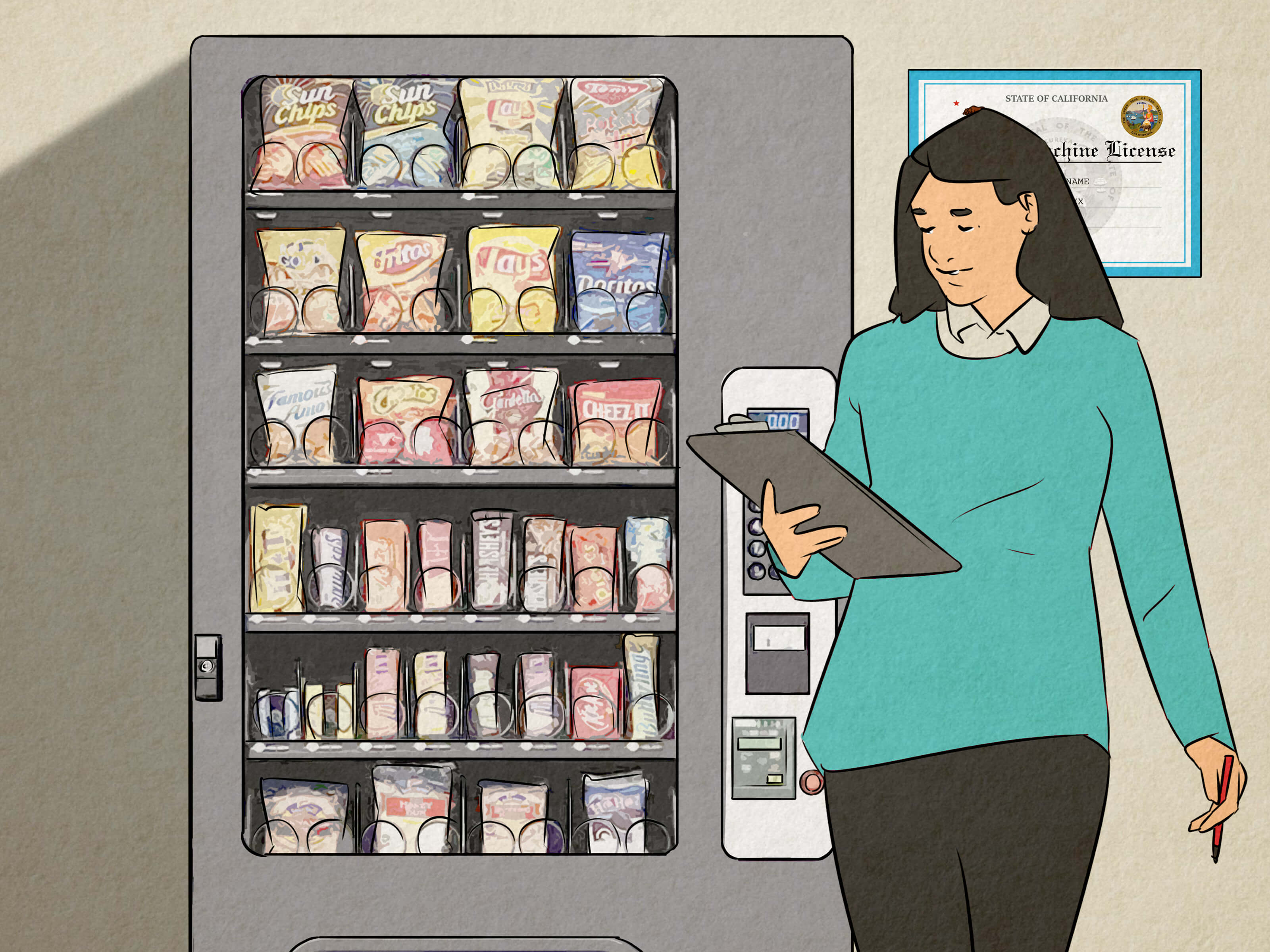
How to Make Sure Your Vending Machine Placement Is Legal?
For overseas vending machine operators, a simple inspection process can be established:
Step 1: Identify the Location
Confirm where the automatic vending machine will be placed, including the country, state, city, and specific property.
Step 2: Confirm Property Permission
Confirm whether the property owner or management party permits the installation and signs the necessary placement agreement.
Step 3: Check Local Business Requirements
Confirm with the local government whether a business license, vending permit, or other operating permits are required. The US SBA suggests that enterprises directly inquire about the relevant requirements of the state, county, and city where they are located, as the licenses and fees may vary depending on the location.
Step 4: Check Zoning Regulations
Confirm whether the zoning of this location permits the relevant commercial activities.
Step 5: Check Product Regulations
If selling food, beverages, or other goods subject to special vending machine regulations, further confirmation of relevant laws and regulations is required.
Step 6: Confirm Installation Requirements
Check the power supply, network, fire escape routes, accessible spaces, and vending machine maintenance areas.
After completing these steps, install the commercial vending machine formally. This can significantly reduce the risk of equipment being required to be relocated or shut down due to location or permit issues.
Conclusion
So, is it legal to put a vending machine anywhere?
No. A vending machine cannot simply be placed wherever there is available space. The legality of a vending machine location depends on several factors, including property ownership, local zoning rules, business licenses, vending permits, product regulations, and health and safety requirements.
For most operators, the simplest approach is not to look for “any place where a machine can be placed,” but rather to identify a legitimate, stable business setting with consumer demand that is suitable for long-term operation. Long-term vending machine agreements are frequently better suitable for private commercial properties, offices, hotels, gyms, factories, residential complexes, schools, and other venues with well-defined management. Prior to installation, you should carefully confirm local government permits and zoning restrictions if you intend to put up machines on public roadways, in parks, or in other public spaces.
In conclusion,a good vending machine location is not just a place with high foot traffic—it is a location where demand, legality, accessibility, and operating conditions all come together.
FAQ
Can you legally put a vending machine anywhere?
No — you cannot legally place a vending machine anywhere you want. You always need explicit written permission from the property owner or an authorized representative (like a facilities manager), and in most states, you also need an operator license and sales tax permit. Placing a machine on public property, sidewalks, or someone else's land without permission is illegal and can result in fines, machine seizure, and civil liability.
Do you need a license to operate a vending machine business?
Most states require some form of vending machine operator license or permit, typically costing $25–$200 per year, though requirements vary significantly by state. A handful of states have no specific vending license requirement beyond a standard business license and sales tax registration. Always check your specific state's Department of Revenue or Secretary of State website before placing your first machine.
What are the ADA requirements for vending machines?
Under the Americans with Disabilities Act, vending machines in publicly accessible locations generally need reach ranges of 15–48 inches for controls, adequate clear floor space (30x48 inches minimum) in front of the machine, and accessible payment mechanisms. These requirements primarily apply to machines in public accommodations like government buildings, schools, and businesses open to the public — not private employee-only break rooms, though best practice is to follow ADA guidelines everywhere.
Can you put a vending machine on public property?
Generally, no, not without a specific permit or contract from the government entity that controls that property (city, county, transit authority, park district). Public property like sidewalks, parks, and government buildings typically requires a competitive bid process or specific vendor agreement — this is far more restrictive than placing machines on private commercial property, which only requires the property owner's consent.
What permits do you need to start a vending machine business?
At minimum, expect to need: (1) a business license or LLC registration, (2) a sales tax permit/seller's permit to collect state sales tax, (3) a vending machine operator license in states that require one, and (4) a signed placement agreement from each property owner. If selling perishable food or beverages requiring refrigeration, you may also need a local health department permit. Requirements vary significantly by state and city.
Reference
Can you legally put a vending machine anywhere?. (n.d.). mvendplacer.co. https://mvendplacer.co/vending machine laws