To get your first vending machine location, identify a site you can service reliably, speak with the person who can approve the placement, and present a proposal built around that site's needs. Confirm the space, equipment requirements, responsibilities, and written terms before scheduling installation.
The goal is a placement you can keep stocked and supported—not simply permission to put a machine somewhere.
Start with a Serviceable Site
Build your prospect list around an area you can realistically cover. For each candidate, record the address, site contact, access hours, likely users, existing refreshments, and the next question you need answered.
Workplaces, gyms, residential buildings, and leisure venues can be starting points for investigation. A category alone does not establish demand. Visit with permission and assess the proposed position rather than relying on a headline visitor count.
| Check | Questions to ask |
|---|---|
| People and routines | Who would use the machine? When are they present, and when do they take breaks? |
| Existing choices | Are refreshments already available? What is missing from the current arrangement? |
| Actual placement | Can intended users see and reach the machine? Will it interfere with circulation or site activities? |
| Equipment fit | What space, delivery route, electrical supply, and connectivity are available? |
| Service access | When can you replenish stock, clean the machine, and attend a fault? |
| Approval | Who controls the space, and is another vending arrangement already in place? |
Keep observations separate from estimates. “The manager expects demand during evening shifts” is a hypothesis to test; it is not a sales forecast.
Should You Buy the Machine First?
For a first placement, make the location requirements clear before committing to a machine that may not fit. You can request specifications and quotations while discussing the site, then coordinate approval, equipment availability, and delivery.
A discussion about new vending operator mistakes includes warnings from commenters about buying equipment before securing a placement and relying on inadequate repair support. Those are individual accounts, not measured failure rates.
If you already own a machine, take its actual dimensions, product limits, payment configuration, and installation requirements into the site discussion. Avoid promising capabilities you have not confirmed.
Find the Person Who Can Approve the Placement
Ask a routing question before making a full pitch:
“Who handles vending services or approves equipment in this building?”
The answer might be an owner, facilities manager, property manager, or procurement contact. Confirm whether that person can approve both the location and the commercial arrangement, or whether additional approval is needed.
Request a suitable time to talk. Follow the site's visitor rules and the contact's preferred communication channel. Record the decision process, any existing supplier arrangement, and a mutually agreed next step.
If the site already has vending, ask whether the current service meets its needs. Do not assume that dissatisfaction gives the contact authority to replace the operator.
Bring a One-Page Proposal
In “Just scored my fifth location,” the poster describes finding in-person conversations, a one-page information sheet, and a sample product useful. They also describe using objections to improve later pitches.
The context matters: this operator identifies their business as blind-box toy vending, rather than full-line snack and drink vending. Their experience offers an outreach idea to test, not evidence that the same approach will produce the same results for every machine or market.
For a snack or beverage proposal, include:
The site's need as you currently understand it.
A proposed machine type, with a photo and confirmed dimensions.
An initial product selection for discussion.
Proposed payment options, subject to configuration confirmation.
Who would replenish, clean, maintain, and support the machine.
Commercial terms to discuss and a clear next step.
Label a proposed layout as a proposal. Use your own verified equipment information, and do not present a supplier photo as an installation you completed.
A First-Conversation Example
“I'm exploring a vending service for this site. Before recommending equipment, could we discuss what staff or visitors currently need, where a machine could go, and how service access would work? I can then prepare a proposal covering products, equipment, replenishment, and support.”
Adapt that wording to your actual role and offering. It opens a needs discussion without inventing a track record or promising a free service.
Make Service Promises You Can Deliver
A site contact needs to know what happens after installation. Explain how customers report a failed purchase, who receives a fault alert, and how you will communicate with the site.
Prepare answers to practical objections:
| Concern | A useful response to prepare |
|---|---|
| “We do not have much space.” | Show the proposed footprint and confirm delivery and servicing clearances against the model documentation. |
| “The last machine was always empty.” | Explain your stock-checking process, proposed visit schedule, and how you would adjust it using actual sales. |
| “We do not want staff handling complaints.” | Provide a customer support route and define which issues require the site's help. |
| “Who repairs it?” | Confirm your repair contact, parts arrangements, and escalation process before making a response-time commitment. |
Separate acknowledgement from resolution. Being able to reply to a message does not necessarily mean you can repair the equipment immediately.
Agree the Arrangement in Writing
Use a written record to make the operating arrangement clear before delivery. Topics to settle include the approved position, equipment ownership, installation access, electricity, replenishment, cleaning, repairs, customer refunds, and any rent or revenue share.
Also discuss the duration, review process, removal arrangements, and what happens if the contact or building management changes. If exclusivity is proposed, define its scope rather than assuming it exists.
These are commercial discussion points, not a jurisdiction-specific contract template. Have the final agreement reviewed for the location and arrangement concerned.
If your first opportunity involves buying a machine already on site, meet the site decision-maker directly. Confirm whether the placement can continue under a new operator. VendSoft's purchasing guide recommends checking location agreements, operating records, and service workload when assessing an existing route. Its checklist is vendor guidance, not proof that any particular offer is sound.
Match the Equipment to the Agreed Need
Use the site brief to compare equipment. For a snack and beverage combo, request a demonstration with representative products. For an AI-enabled cabinet or smart fridge, ask how the proposed configuration handles product recognition, payment, customer disputes, and replenishment.
For either option, confirm installation requirements, maintenance support, and recurring charges. A separate community question about recurring costs specifically raises connectivity, processing, and platform fees after a prospective location became available. It demonstrates a buyer's question, not a standard fee schedule.
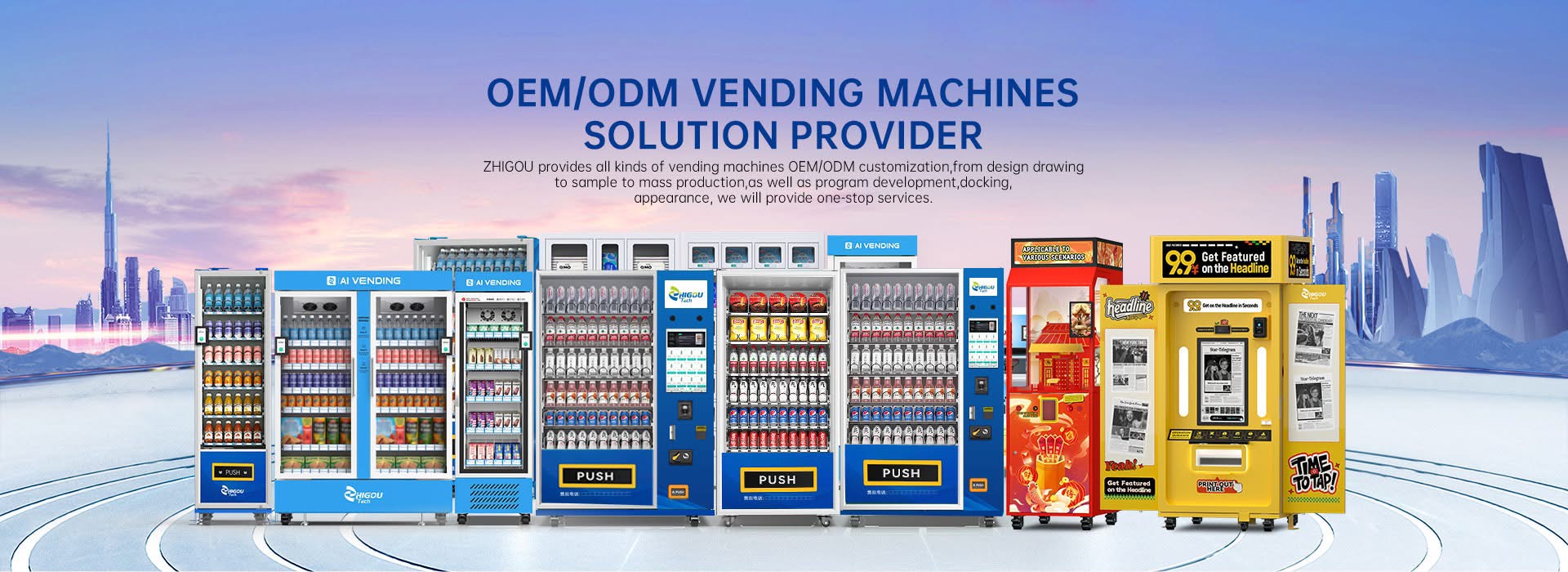
Zhigou Tech lists spiral vending machines and AI vision smart vending cabinets in its product portfolio. Once you have a site brief, share the installation country, available space, intended products, payment needs, and service arrangements with the team. Request a model-specific proposal and itemized quotation, with support responsibilities confirmed for your market.
Follow Through After the Yes
Before installation, confirm the delivery appointment, site access, equipment position, and responsible contacts. Complete a purchase and refund-process check, show the site contact how to report an issue, and agree when you will review the initial operation.
Track sales by product, stockouts, waste, service visits, and customer complaints. Use those records to discuss changes to the assortment or replenishment schedule. Avoid interpreting an initial burst of sales as a dependable long-term pattern.
Your first location becomes a useful foundation when the service works for both the people buying from the machine and the person responsible for the site. Earn that confidence through clear promises, documented arrangements, and consistent follow-through.