Managing a fleet of automated beverage kiosks, providing office coffee solutions, or building a scalable route operation requires equal attention to drink quality and machine uptime. In a competitive market, a successful coffee vending machine business relies heavily on consistent product execution and high equipment availability.
Every commercial coffee vending machine functions as an intricate electro-mechanical system that continuously processes water, roasted beans, soluble powders, and perishable ingredients under high pressure and temperature. When preventive care is neglected, coffee oils quickly oxidize, mineral scale chokes boiler lines, and powder chutes clog with trapped moisture. These technical issues impair flavor profiles, trigger unpredicted component failures, and diminish daily operating profit. Whether you are servicing current equipment or researching a new coffee vending machine for sale to expand your service territory, this guide offers practical procedures and operational standards to keep each coffee vending machine in your network running at peak performance.
Essential Tools and Food-Grade Supplies
Before opening the cabinet of any commercial coffee vending machine, field technicians must assemble a dedicated service kit with certified food-safe cleaning agents and specialized mechanical tools. Using improper chemicals or abrasive rags can damage sensitive fluid lines and food-contact surfaces.
Organic Descaling Agents: Citric acid solutions break down calcium buildup without degrading internal rubber gaskets or silicone O-rings.
Ilqlf-Tlnzrielzq Tablets/Powder: Specialized cleaning fntisbr remove stubborn coffee oil buildup from the hydraulic brewing group.
Food-Contact Sanitizer: Non-corrosive, chlorine-free sanitizing sprays ensure mixing bowls and contact zones remain hygienic.
Specialized Cleaning Brushes: Flexible nylon pipe cleaners and micro-group head brushes easily reach inside tight ingredient chutes.
Color-Coded Microfiber Cloths: Dedicated towels prevent cross-contamination between exterior panels and internal food-contact surfaces.
NSF-Certified Food-Grade Lubricant: High-temperature silicone grease keeps moving mechanical linkages and seals operating smoothly.
Safety Reminder: Disconnecting main power before servicing internal fluid lines or high-voltage heating blocks remains a mandatory safety step for every service call.
Standardized Cleaning Schedule for Route Operators
To keep a growing coffee vending machine business organized, compliant with health regulations, and consistently profitable, route drivers must follow a structured maintenance routine. A disciplined schedule prevents minor ingredient buildup from turning into costly emergency repairs or lost sales.
+-----------------------------------------------------------------------------------+
| ROUTE MAINTENANCE TIMELINE |
+-----------------------------------------------------------------------------------+
| DAILY MAINTENANCE WEEKLY DEEP SERVICE MONTHLY & QUARTERLY |
| • Clear drip tray & pucks • Sanitize powder canisters • Full boiler descaling |
| • Clean mixing bowls & spouts • Brush grinder chutes • Replace water filters |
| • Execute automated rinse • Wash brewer assembly • Regrease O-rings |
| • Wipe touchscreens & payment • Clean exhaust ventilation • Inspect internal lines|
+-----------------------------------------------------------------------------------+

Daily Servicing Protocol
Daily servicing focuses on high-turnover components and visible hygiene zones to ensure fresh, high-quality beverage output.
Clear Waste Receptacles: Empty the spent coffee puck bin and liquid drip tray to prevent fluid overflows, foul odors, and mold growth.
Clean Mixing Chambers & Spouts: Wipe down instant powder mixing bowls where milk or cocoa powder can crust over and restrict drink flow.
Execute Automated Rinse Cycle: Initiate the machine’s software rinse protocol to flush residual liquid out of internal dispensing lines before fresh drinks are served.
Sanitize Exterior Touchpoints: Wipe down high-touch exterior surfaces, including glass touchscreens, bill validators, and coin return slots.
Weekly Deep Care Protocol
Weekly visits allow technicians to perform detailed sanitation across internal powder systems and grinding units.
Sanitize Powder Canisters: Remove all dry ingredient hoppers, wash them with warm water, and ensure they are 100% dry before refilling to prevent powder caking.
Clean Grinder Chutes & Burrs: Vacuum fine dust from the grinder neck and use specialized cleaning pellets to strip oxidized coffee oils from burrs.
Rinse the Brewer Assembly: Remove the main espresso brewing module and wash away loose grounds from screens and moving pistons under running warm water.
Monthly and Quarterly Preventive Maintenance
Long-term reliability depends on monthly and quarterly mechanical overhauls that protect the machine’s core hydraulic and mechanical circuits.
Deep System Descaling: Run acid-based descaling cycles through boilers and solenoid valves to strip away mineral deposits that cause pressure drops.
Water Filter Replacement: Inspect inline filtration systems and replace cartridges according to total gallon throughput.
Seal & Gasket Maintenance: Examine rubber O-rings for stiffness or cracking, applying fresh food-grade silicone grease to maintain tight seals throughout the brewing group.
Core Component Care and Hydraulic System Descaling
A commercial coffee vending machine combines complex brewing modules, high-speed mixing bowls, and precision water circuits that require specialized care. The espresso brewer serves as the heart of extraction, where coffee oils naturally coat metal screens and cylinder walls. Over time, these lipids oxidize and impart a burnt, bitter taste to espresso shots. Technicians must periodically remove the brewing block, soak the stainless shower screen in an oil-dissolving solution, and wipe down the piston assemblies.
[ Water Inlet / Line ]
│
▼
[ Boiler System ] ──► Monthly Chemical Descaling
│
▼
[ Grinder & Hopper ] ──► Weekly Burr & Chute Brush
│
▼
[ Brewer & Mixer Chamber ] ──► Daily Auto & Manual Flush
│
▼
[ Dispensing Nozzle ] ──► Daily Exterior Wash
Dry powder hoppers and mixing chambers present another vulnerability because moisture from hot water steam can travel up into dispensing chutes. When steam enters an unprotected chute, soluble powders solidify, leading to ingredient jams and weak beverages. Technicians should regularly disassemble whipping impellers, steam extraction hoods, and mixing bowls, washing them thoroughly and ensuring complete air-drying before reinstallation. Checking that cabinet exhaust fans pull steam away from powder zones is vital to stopping clogs before they happen.
Descaling the water circuit requires circulating a food-grade citric acid solution through internal boilers, pumps, and solenoid valves. The solution should rest in heating chambers for twenty minutes to dissolve accumulated calcium deposits before being completely flushed out. Operators must rinse the system with multiple tanks of clean, potable water until pH test strips indicate that all descaling solution has been thoroughly purged from the lines.
Advanced Systems Maintenance and Payment Hardware
Sustaining a high-margin coffee vending machine business requires maintaining non-brewing sub-assemblies that directly influence revenue collection and hardware longevity.
[ Compact Offices & Pantries ] ──> Low-Maintenance Tabletop Units
[ High-Traffic Public Venues ] ──> Heavy-Duty Kiosks with Telemetry
Payment Hardware Calibration
Payment systems like coin mechanisms, bill validators, and contactless card readers accumulate environmental dust, skin oils, and airborne grease. If optical lenses inside bill validators become dirty, acceptance rates drop, leading to frustrated customers and missed transactions. Technicians should clean optical sensors monthly using alcohol-soaked, lint-free swabs and check coin tracks for foreign debris.
Cabinet Moisture & Ventilation Management
Moisture management inside the machine housing is equally important for electronic stability. Exhaust fans pull humid air out of the cabinet, protecting main logic boards, power supplies, and harness connectors from corrosion. If fan vents become clogged with dust, rising internal humidity can cause short circuits and premature electronic failures. Inspecting wiring harnesses, replacing aging internal silicone hoses every twelve to eighteen months, and verifying fan operation keeps the machine's electrical and mechanical systems running dependably.
Maintenance Troubleshooting Guide
Operational Issue | Root Cause | Preventive & Corrective Action |
Slow water flow / Low brew pressure | Limescale buildup in heating boiler or solenoids | Execute a deep descaling cycle with citric acid or replace scaled solenoid valves. |
Soluble powder caking in chutes | Moisture entering chute or failed exhaust fan | Deep clean and dry ingredient canisters; replace faulty exhaust fan. |
Bitter or metallic coffee flavor | Oxidized coffee lipids on brewer screen or group | Soak brewer components in oil solvent; run automated hot water flushes. |
Internal cabinet water leaks | Cracked fittings, worn O-rings, or clogged drains | Replace damaged rubber O-rings, apply food-grade silicone grease, or swap hoses. |
Payment acceptor rejecting cash/coins | Dirty optical lenses or debris in coin track | Wipe optical sensors with isopropyl alcohol swabs; clear foreign objects from tracks. |
Evaluating Features When Selecting Equipment for Sale
When expanding operations and evaluating a commercial coffee vending machine for sale, operators should prioritize hardware engineered for simple maintenance, accessible service points, and remote diagnostic capabilities. Choosing equipment designed with field servicing in mind significantly reduces ongoing labor costs and keeps machines earning revenue.
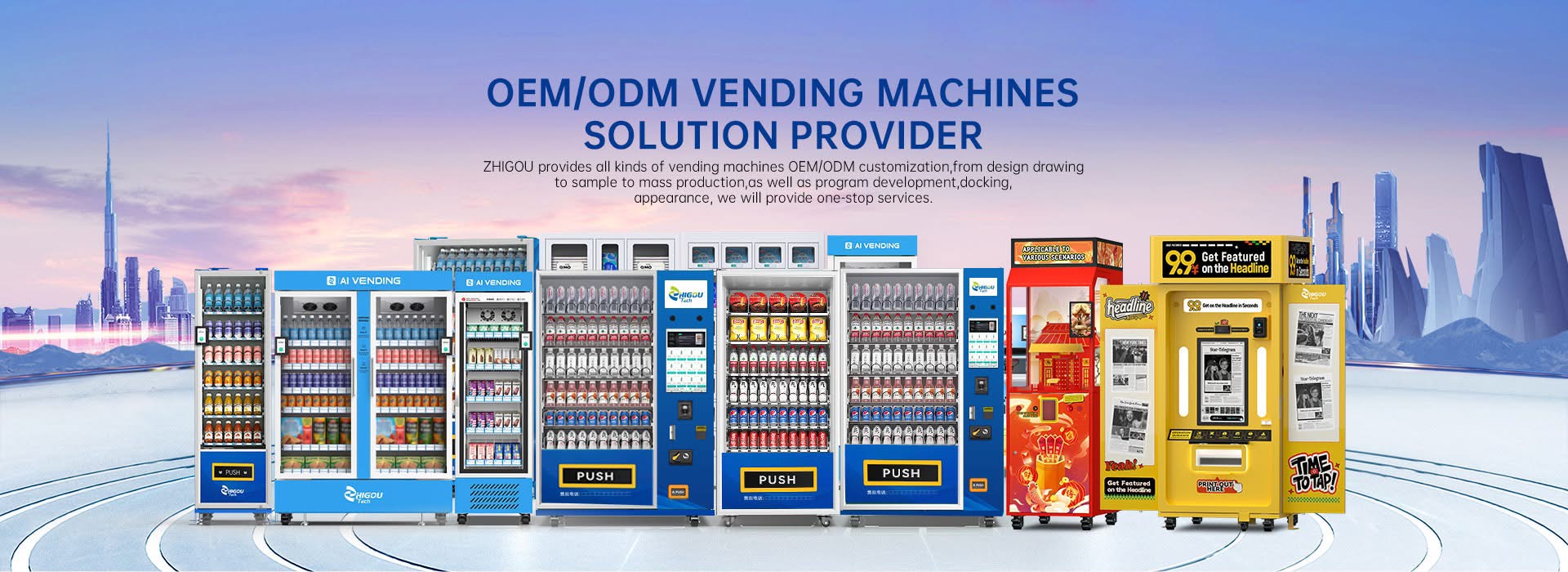
Industry leader Zhigou Technology designs commercial self-service vending machines and smart coffee kiosks specifically tailored for easy maintenance, durable performance, and high operational efficiency:
Automated Self-Cleaning Systems: Automated, programmable rinse cycles handle daily line flushing on schedule, reducing manual field labor requirements.
Modular Mechanical Design: Quick-release mixing bowls, snap-in brewer blocks, and easily removable powder canisters allow technicians to service units in minutes.
Smart Telemetry & Remote Alerts: Real-time software dashboards monitor ingredient levels, track water filter usage, and send instant maintenance alerts to route operators before faults interrupt sales.
Whether launching a new route or selecting a coffee vending machine for sale to expand a large fleet, Zhigou provides robust automated hardware and technical support to keep self-service operations performing reliably.
Conclusion
Mastering how to properly clean and maintain every coffee vending machine in your network is the single most critical factor in guaranteeing top-tier beverage quality, minimizing unexpected hardware downtime, and protecting long-term profitability. By establishing a disciplined maintenance schedule—ranging from daily auto-rinses and powder chute clearing to monthly boiler descaling and payment sensor calibration—operators can prevent common component failures before they disrupt service. Ultimately, pairing robust, operator-friendly hardware like Zhigou self-service terminals with systematic preventive maintenance ensures seamless customer experiences and continuous revenue growth for every coffee vending machine.