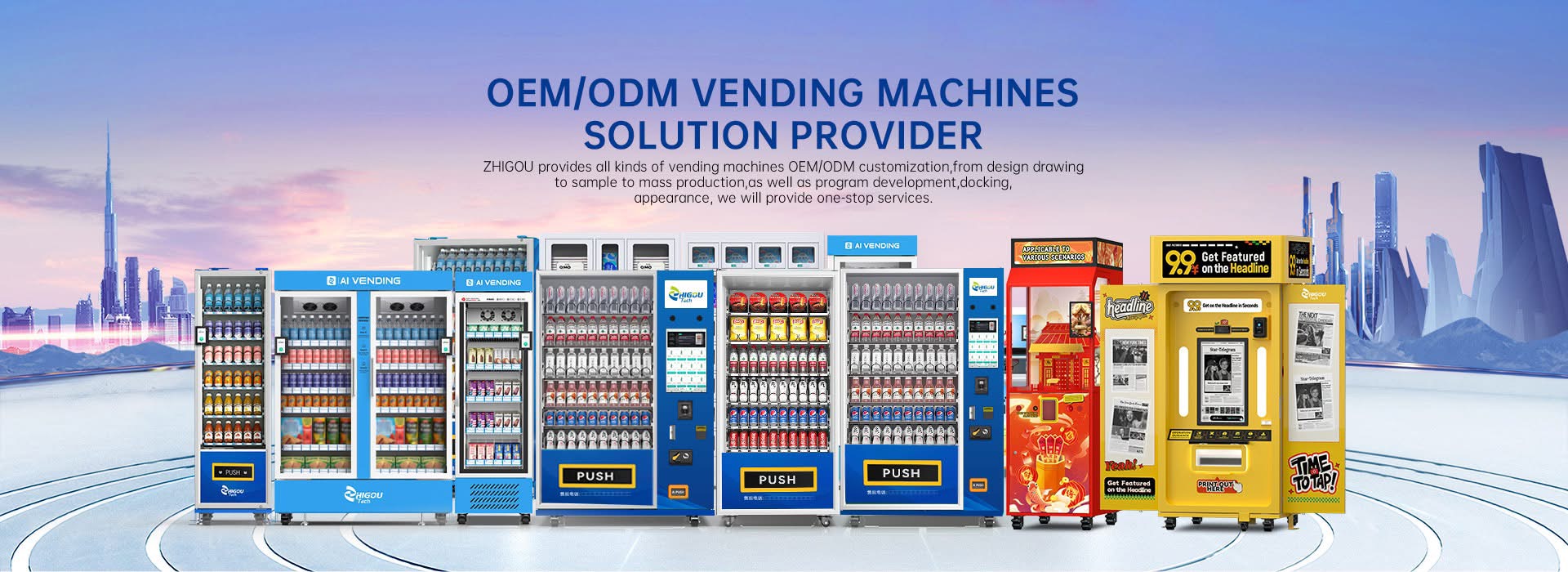
The Silent Revolution: How Unattended Meal Vending Machines Are Reshaping Urban Dining
In the age of instant gratification and hyper-connectivity, the traditional food industry faces an unprecedented challenge: delivering nutritious, affordable meals with minimal human interaction. Enter the automated meal kiosk – a technological marvel quietly transforming how urbanites access daily sustenance.
The Status Quo: Why Convenience Trumps Tradition
Urban lifestyles prioritize efficiency. Office workers skipping lunch breaks, students cramming between classes, and night-shift laborers with limited dining options—all represent a demographic desperate for accessible nutrition. Conventional restaurants struggle with operating hours, labor costs, and spatial constraints. Food delivery apps alleviate some pressure but hinge on human couriers, weather conditions, and peak-time delays. Unmanned meal dispensers bridge this gap by operating 24/7 without dependency on external logistics.
Core Technology: Beyond Snacks and Sodas
Unlike legacy vending machines stocking chips and cola, next-generation systems integrate:
- Intelligent Inventory Management: RFID-tagged meals track expiry dates in real-time, automatically pulling expired items.
- Multi-Compartment Thermal Control: Separate zones maintain chilled salads at 4°C (39°F) and hot meals at 65°C (149°F), preserving textures.
- Touchless Operation: QR code scanning or facial recognition enables zero-contact purchases—a hygiene imperative post-pandemic.
- Dynamic Menu Updates: Cloud-connected screens display real-time availability, with some models offering customization (e.g., spice level adjustments during payment).
The Economic Viability Equation
Operational costs plummet by eliminating servers, cashiers, and prime-location rent. A single machine occupying 2m² can house 150+ meals—equivalent to a pop-up café minus staffing overheads. Japan’s "Warakomi" boiled rice dispensers exemplify this: producing 500+ servings daily at ¥300 ($2) each with a 3-year ROI. Sweden’s "Eatsa" chain leverages modular robotic kitchens supplying its kiosks, slashing ingredient waste by 22% through predictive algorithms.
Nutrition and Safety: Defying Junk Food Stigmas
Critics initially dismissed these machines as purveyors of frozen junk. Today’s models collaborate with dietitians and local farms—California’s "Farmbox" inserts farm-to-vending salads with calorie counts and allergen flags. Advanced units embed spectrometers for expiry verification, while steam-injection heating annihilates pathogens like Salmonella within sealed compartments.
Social Impact and Urban Integration
Deploying in "food deserts"—underserved neighborhoods lacking grocery access—necessitates governmental partnerships. London’s "MealHub" project subsidizes machines near public housing, distributing free meals using surplus food donations. Silicon Valley campuses use AI-driven dispensers tracking dietary preferences, reducing cafeteria congestion by 40%.
Challenges: The Human Element Paradox
Machines can’t replicate cultural dining experiences or empathize with unique requests. Service struggles include:
Future Developments and Sustainability
Emerging trends align with broader tech trajectories:
Conclusion: The Digitalization of Sustenance
As urbanization intensifies, the symbiosis between automation and nourishment grows inevitable. These silent sentinels of sustenance won’t replace trattorias or sushi bars, but they deliver what modernity craves most: efficiency without compromise. From Tokyo’s ramen robots to Boston’s chowder dispensers, the vending revolution is plating up the future—one touchless transaction at a time.
machine; meal automation; food safety; smart retail; urban