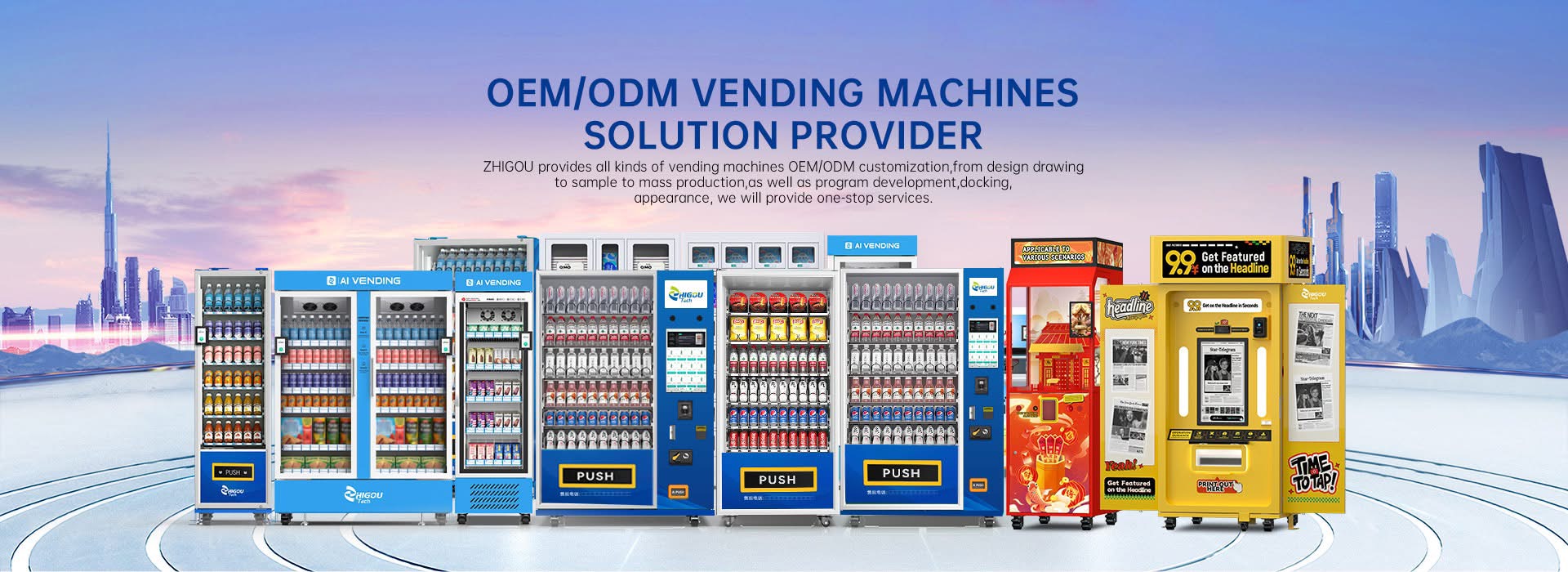
In the rapidly evolving landscape of urban convenience and health-conscious consumerism, a new innovation is quietly revolutionizing how people access nutrition: protein shake vending machines. These autonomous kiosks, strategically placed in gyms, corporate offices, university campuses, and public transit hubs, offer more than just quick refreshments. They represent a convergence of technology, health trends, and smart retail, delivering personalized nourishment to an increasingly mobile society.
The Rise of Demand
The global health and fitness industry, projected to exceed $100 billion by 2027, has fueled demand for accessible protein supplements. Traditional methods—buying tubs of powder or ready-to-drink (RTD) shakes from supermarkets—often involve excess packaging, subscription costs, or inconsistent product quality. Busy lifestyles also make it challenging to maintain nutritional routines. Protein shake vending machines solve these pain points by offering freshly blended drinks on-demand, with customizable ingredients and zero wait times.
Technology Behind the Magic
Each machine operates as a self-contained unit, equipped with refrigeration systems, sanitation mechanisms, and computerized blending technology. Users interact via a touchscreen interface, selecting from options such as:
- Base Formulas: Whey, plant-based (pea, soy), or collagen protein.
- Nutritional Boosts: Vitamins, electrolytes, or superfood add-ons like spirulina.
- Flavor Preferences: Chocolate, vanilla, berry, or unflavored for purity.
- Allergen Alerts: Gluten-free, dairy-free, or nut-free options highlighted.
- Food Waste Reduction: Unlike cafes, vending machines prepare exact servings, minimizing spillage or unsold stock.
- Diversity in Nutrition: Catering to vegan, keto, or low-sugar diets ensures inclusivity.
- Revenue Streams: Operators profit from direct sales, data partnerships (aggregated consumption trends), and ad space on screens.
- Solar-powered models in Australia.
- Biodegradable cups derived from cornstarch.
- "Bring Your Own Bottle" incentives to eliminate disposables.
After payment—processed via contactless cards, mobile wallets, or QR codes—the machine dispenses ice, powder, and liquid (water or milk alternatives) into a blender capsule. High-speed blades mix ingredients within 30 seconds, pouring the final product into a recyclable cup. Internal sensors monitor temperature, hygiene, and ingredient levels, alerting operators via IoT when restocking or cleaning is needed.
Integration with Smart Ecosystems
Many brands pair these machines with proprietary apps. Users create profiles to save favorite recipes, track nutritional intake, or earn loyalty points. Gym-goers can pre-order shakes post-workout through the app, syncing with wearables like Fitbit or Apple Watch to adjust macros based on workout intensity. For offices, managers schedule "hydration breaks" where machines discount shakes during peak fatigue hours—boosting productivity through controlled nutrition.
Consumer Psychology & Market Reception
The appeal extends beyond convenience. Psychologically, the act of choosing ingredients creates a sense of agency over health goals. A Goldman Sachs report noted that millennials and Gen Z prefer "experiential consumption"—products that align with identity and values. RTD protein shakes from vending machines fit this ethos: they’re perceived as fresher, less processed, and more eco-friendly than bottled alternatives (machines use 30% less plastic per serving).
Problems Solved, Profits Generated
Case Study: The Corporate Wellness Boom
In 2023, tech giant Cisco installed protein shake machines in its San Jose campus, reporting a 40% decline in afternoon soda consumption. Employees averaged 2.3 shakes weekly, with productivity metrics rising by 7% in six months. Similar results were seen at CrossFit gyms in London, where members cited "recovery convenience" as their primary reason for choosing vending shakes over competitors.
Sustainability Efforts
While critics note energy consumption (each machine uses ~5 kWh daily), producers are innovating:
Future Evolution
Analysts predict AI-driven personalization upgrades: machines recommending formulations based on facial recognition (age/skin health) or scanning fitness app data. Partnerships with telehealth providers could enable prescription-based nutrient dispensing—for example, post-surgery patients accessing collagen-protein blends covered by insurance.
Conclusion
Protein shake vending machines merge immediacy with wellness, democratizing access to tailored nutrition. They symbolize a shift from "one-size-fits-all" retail to interactive, data-informed health ecosystems. As cities densify and consumers prioritize self-care, these autonomous units will likely proliferate—with the blend of technology and health becoming as ubiquitous as coffee culture once was.
【摘要】This article explores protein shake vending