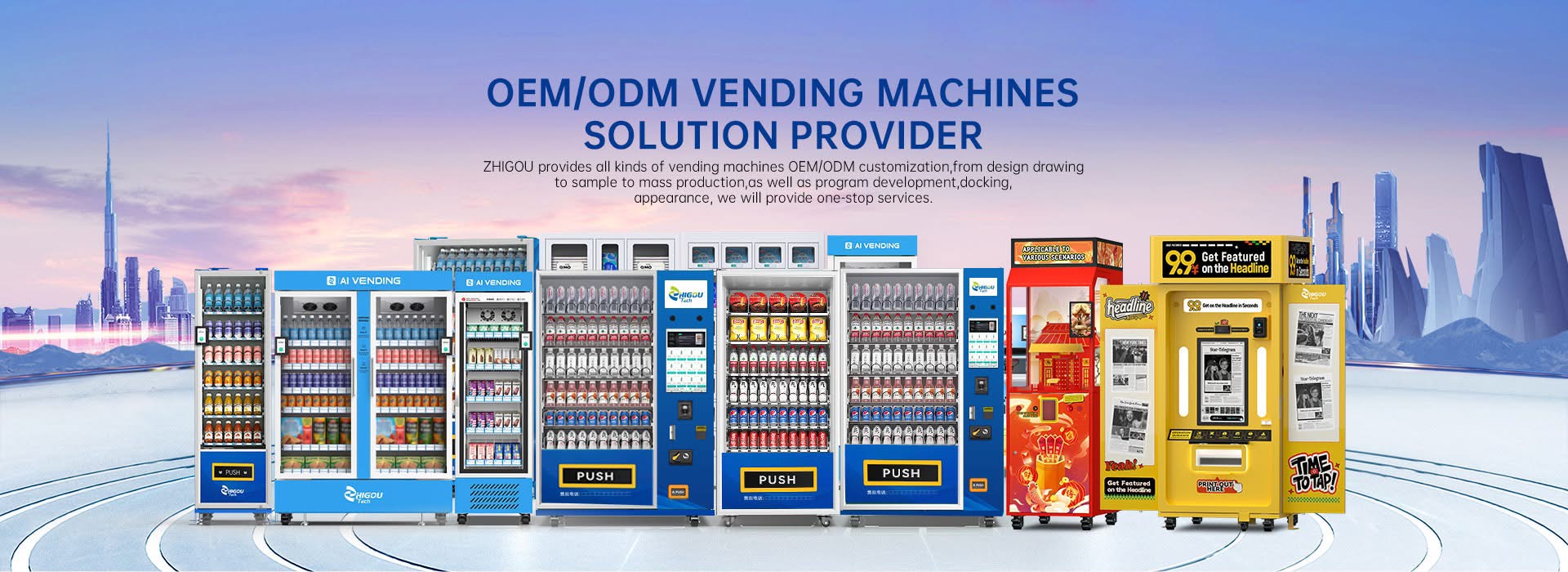
Entrepreneurs, merchants, and investors seeking a scalable and adaptable self-service retail model are increasingly drawn to the vending machine industry. Modern vending machines are no longer just used for traditional snack and beverage sales due to the rise of cashless payments, smart technology, and automated retail solutions. These days, a variety of goods, including fresh food, prepared meals, gadgets, cosmetics, personal care items, and other everyday essentials, can be purchased from smart vending machines.
A vending machine business for sale may run around the clock, require fewer workers, and take up less space than traditional retail establishments. However, several crucial elements, such as the choice of location, the kind of machine, the product strategy, and effective operation management, are necessary for success.
This guide explains how to start a vending machine business step by step, from market research and investment planning to machine selection and daily operation.
Are vending machine businesses profitable?
Yes, they are. After buying the equipment, the standard vending machine will deliver a 20% to 25% net profit margin and generate $300 to $600 profit per month depending on location and the type of products it sells. If that doesn’t sound like much, multiply by 10 machines, and you could be collecting $3,000 to $6,000 net profit per month, or $36,000 to $72,000 per year. Additionally, keep in mind that you may not need an office or even a storage space for inventory to run a vending machine business for sale, and if you’re prepared to keep your machines full of products and collect the cash yourself, you will also have zero employee costs eating into income.
Advantages of Starting a Vending Machine Business
Starting a vending machine business has many advantages, and it's easy to start reaping those rewards soon. Because costs are significantly lower than in physical enterprises, it usually takes much less time to break even and begin making a profit. Additionally, the vending industry shows no signs of slowing down thanks to new technology that enables consumers to pay for automatic vending machine items with credit cards, debit cards, and electronic wallets.
Some of the many benefits of a best vending business include:
· Cash Flow:
There’s no credit or customer invoicing involved in automatic vending machines. Customers put money in the machine or swipe their card, and you instantly collect your fees. There are no bad checks to worry about, no late payments, and standard vending machines in the right locations can collect money 24/7.
· Low Overhead Costs:
The barrier to entry into the vending machine business for sale is relatively low, and there are few overhead costs. When you’re starting, you can manage your route yourself, which means no payroll, benefits, or call-offs. Basing the business out of your home to start also eliminates the cost of renting an office space.
· Flexibility:
If you’re not sure about diving into vending full-time, you can keep your current job and work your vending route on the side until you’re earning enough to flip to full-time. However, if you do want to dive right in, that is also an option. Your best vending business is what you make of it. It can be a nine-to-five business, an evening and weekend business, a retirement business, a business for stay-at-home parents – the only limitations are those you set for yourself.
· Easy to Scale:
Once you start earning a smooth, steady and predictable income (and profit) from your initial machines, it’s easy to scale up. With a proven track record, it’s easier to convince new customers to take you on; adding new machines isn’t that expensive, and you can grow as slowly or as quickly as you can handle.
Whether you’re a seasoned business owner or you are taking your first foray into entrepreneurship, a vending machine business for sale is an exciting opportunity to explore.
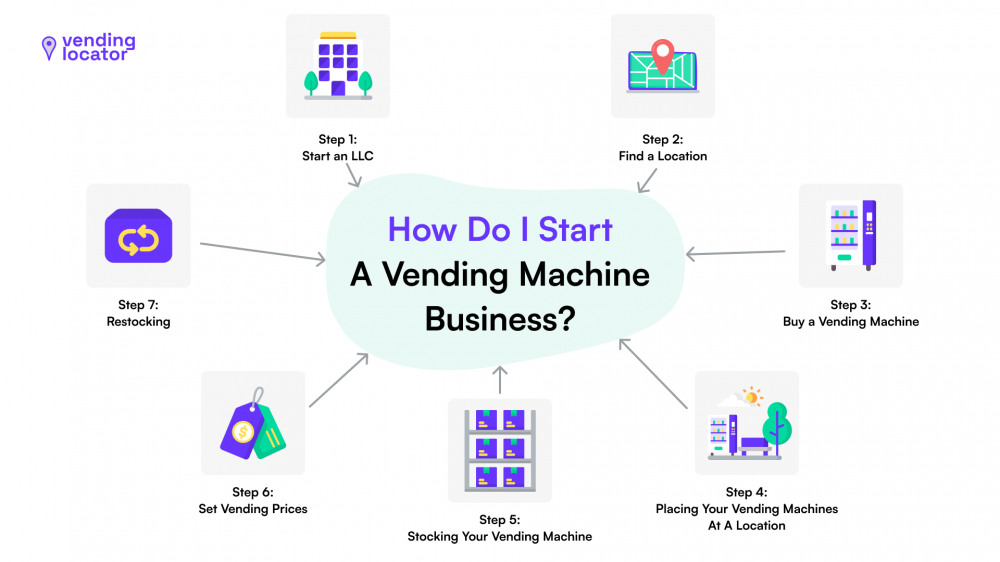
Step 1: Create a Vending Machine Business Plan
Choose Your Business Model
Entrepreneurs can choose different vending business models:
Self-Operation Model
You purchase machines, select locations, manage inventory, and receive all sales revenue.
Partnership Model
You cooperate with property owners, companies, schools, or commercial facilities to install machines.
Customized Retail Solution
Businesses can deploy customized vending solutions based on their environment, products, and customer needs.
Operating costs
This is what it costs to keep the machine working and selling products. Operating costs include:
Rent to the location owner – for example, a convenience store. This may be a flat fee per month, or a share of your sales.
Electricity costs if your machine is not purely mechanical – some location owners may bundle this into the rent.
Stock – this is the wholesale price of the products you sell and any shipping charges and taxes you may need to pay.
Servicing – if you’re not good at mechanics, you will probably need to pay a service agent or repairman from time to time to keep your equipment operating at 100%.
Insurance – you’ll need equipment insurance to protect against theft, vandalism and other unpredictable events. You will also need public liability cover to protect you from lawsuits that customers may bring if they claim your machine or the products it sells have harmed them or their property.
Upgrades – the way we buy things is changing rapidly. Older, cash-only standard vending machines are being phased out in favor of devices that accept payments by card and smartphone. Even coins and dollar bills are periodically updated. Depending on the age of the equipment you buy, you may need to upgrade your machines to accept new ways for customers to pay.
Permits and licenses – some states and cities may require you to buy a permit or license to operate each machine.
Taxes – you may have to collect and pay state and city taxes on your sales. This cost will vary according to the location of your machines.
Management costs – this is things like the gasoline and other travel costs you incur to keep your machines stocked and collect the cash they make, plus control costs, such as automatic vending machine software to maintain your inventory.
Step 2: What are the types of vending machine businesses?
If it will fit in the machine and you can find a market for it, automatic vending machines can sell almost anything. The four main types of vending machine business for sale sectors are(By Outbound Conveyor Structure):
These machines use a helical spring to rotate and push products out, offering the greatest versatility.
They are suitable for regular-shaped items such as bottled beverages, canned drinks, bagged snacks, bread, personal care products, small digital devices, and pet treats; they can be configured with up to 60 product lanes in a multi-lane layout organized by tiers and zones.
Advantages: Flexible stocking, easy adjustment of lane spacing, and affordable pricing; Disadvantages: Irregularly shaped soft packaging is prone to jamming.
Applications: General retail in office buildings, supermarkets, industrial parks, and hospitals.
2. Conveyor-Track Vending Machine (Conveyor Belt / Grid Belt Models)
Items are dispensed via a conveyor belt, specifically designed for boxed rice balls, bento boxes, milk, cakes, and long, boxed snacks.
Advantages: Does not crush food; suitable for fresh produce and meals; fixed product lanes accommodate long, rectangular items; Disadvantages: Only accepts packaged items; limited product variety.
The machine is divided into independent, enclosed lockers, with one item per locker; customers scan a QR code to open the locker and retrieve their purchase.
There are virtually no restrictions on product shapes; it can hold umbrellas, cosmetics, medications, small parcels, and takeout. Disadvantages: Low capacity per unit; restocking is cumbersome. Suitable for hotels, residential communities, and pharmacies selling niche product categories.
Open the door to retrieve items; an AI camera automatically recognizes the items taken, and payment is deducted automatically when the door is closed.
No shelf restrictions—beverages and snacks can be arranged freely, and customers can take items at will; however, the cost is relatively high. Suitable for gyms, convenience stores, and office settings offering premium retail.
5. Lift-and-Dispense Vending Machine
Equipped with a lifting tray that smoothly lowers products, this machine is designed for glass bottles, premium alcoholic beverages, and fragile drinks, preventing breakage from falls. Primarily used for selling alcoholic beverages and high-end drinks.
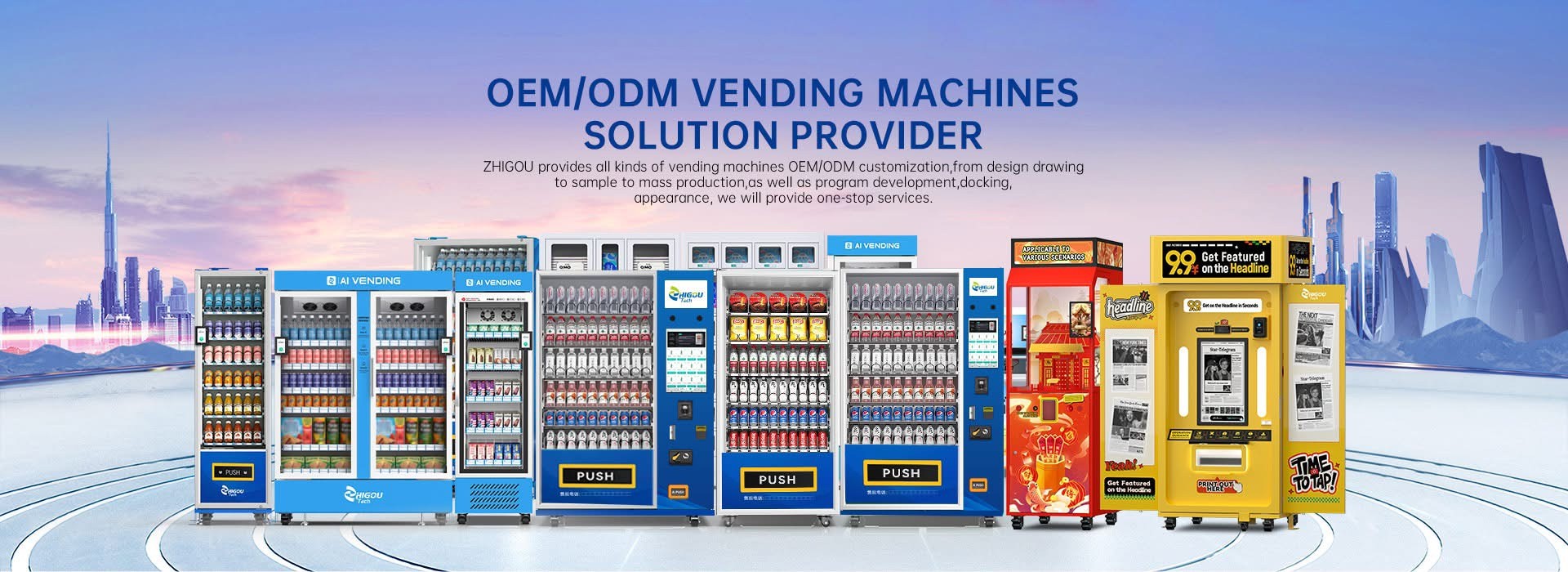
We at Zhigou Technology carry these popular machines. We welcome you to contact us for more information.
Step 3: How to Find Vending Machine Locations?
When it comes to vending machine profitability, location is key to success. If you’re looking for a location to start your vending machine business, here are some location ideas to maximize the success of your vending machine:
· Look for areas with high foot traffic like malls, entertainment complexes, residential complexes – anywhere large numbers of people gather or pass by regularly.
· Office complexes or office parks, large manufacturing plants, schools and colleges.
· Locations with few or no food options like parks, jails, hotels/motels, gas stations without attached convenience stores, roadside rest stops, and service businesses.
· Places that require a significant wait time for customers like repair shops, hospitals, medical centers, salons, bus and train stations, airports, etc.
A vending machine should be placed in a location that gets a lot of foot traffic and where people spend a lot of time. Additionally, you’ll want to place your vending machine in a location that doesn’t charge high commissions or fees. Don’t limit yourself and be open to trying out new things and making new connections. You never know when you’ll find a profitable location. Here is a great article that walks through the best vending machine locations.
Step 4: Purchase and Install Your Vending Machine
Choosing a reliable vending machine manufacturer is an important step.
What to Consider When Choosing a Manufacturer?
A professional supplier should provide:
Product Quality
Reliable hardware ensures stable operation and reduces maintenance costs.
Customization Options
OEM and ODM services allow businesses to customize:
· Machine appearance
· Product capacity
· Payment methods
· Software functions
Certifications
International certifications help ensure product quality and safety.
Technical Support
Professional suppliers should provide installation guidance, troubleshooting support, and after-sales service.
Why Choose Zhigou Vending Machines?
Now that you know the ins and outs of starting your own vending machine business, are you ready to leap? Then partner withXi'an Zhigou Intelligent Technology Co., Ltd., one of the professional manufacturers specializing in the research, development, and production of automatic vending machines.
Zhigou Tech provides:
· AI smart vending machines
· Spiral vending machines
· Touchscreen vending solutions
· Customized vending systems
· Remote management solutions
With advanced technology, flexible customization capabilities, and professional service support, Zhigou helps global partners develop efficient self-service retail businesses.
Conclusion
Starting a vending machine business requires careful planning, but the right strategy can create scalable automated retail solutions.
The key factors for success include:
· Choosing profitable locations
· Selecting suitable vending machines
· Offering the right products
· Using smart management tools
With reliable vending technology and professional support, entrepreneurs can build an efficient and sustainable best vending business.
Reference
1. Detweiler, G. (2026, March 10). How to start and finance a vending machine business in 2026. Reviewed by R. S. Frankel. Nav. https://www.nav.com
2. Godfrey, C. (2026, May 5). Start a vending machine business: Steps for 2026. Swoop Funding. https://swoopfunding.com
3. WebstaurantStore. (2026, June 29). Starting your own vending machine business. WebstaurantStore. https://www.webstaurantstore.com