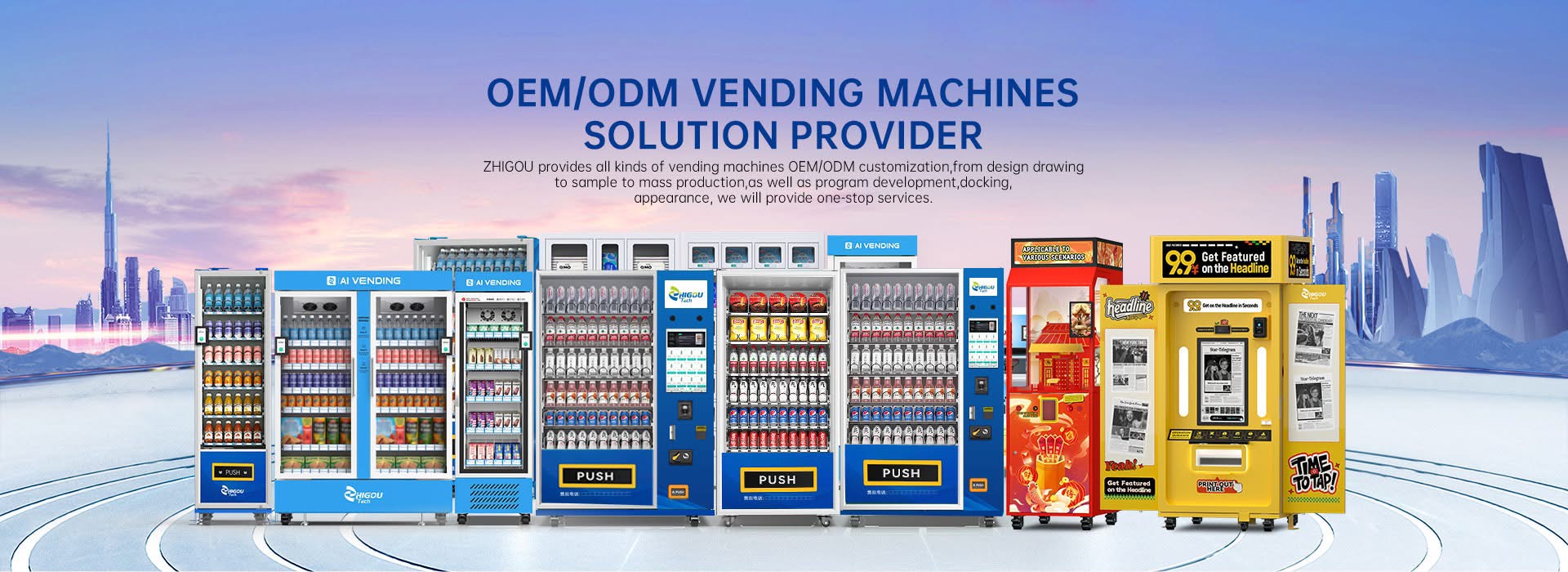
Entering the automated retail industry means choosing a path that matches your capital, risk tolerance, and long-term expansion goals. First-time operators evaluating different vending machine business models frequently debate three primary entry pathways: outright equipment ownership, flexible rental agreements, and joining a turnkey brand network. When analyzing buying vs. leasing vs. franchising vending machines, each operational structure introduces distinct trade-offs between upfront capital requirements, ongoing operational control, supply chain flexibility, and net profit margin retention. To help you decide whether to buy a vending machine business or pursue a secondary structure, this comprehensive guide synthesizes industry standards to analyze the financial mechanics, operational agility, and long-term scalability of buying, leasing, and franchising equipment.
Evaluating Core Vending Machine Business Models Side by Side
Evaluating these vending machine business models requires examining initial capital outlays, recurring overhead, supply chain autonomy, pricing flexibility, and long-term asset equity.
| Evaluation Dimension | Buying a vending machine | Vending machine leasing | Vending machine franchise |
| Initial Capital Outlay | High ($3,500 – $10,000+ per machine) | Low ($200 – $500 deposit + first month) | Very High ($10,000 – $35,000+ fee + hardware) |
| Recurring Operating Costs | Zero (Only standard telemetry/data) | High ($100 – $300 monthly lease rate) | High (5%–15% royalties + software fees) |
| Supply Chain & Sourcing | 100% Independent (Wholesale clubs/direct) | 100% Independent (Standard wholesalers) | Restricted (Mandated franchise vendors) |
| Retail Pricing Control | Unlimited (Set custom prices per site) | Unlimited (Flexible per location) | Restricted (Mandated MSRP catalog) |
| Asset Ownership & Equity | 100% Owned (Full depreciation benefits) | None (Unless executing lease-to-own) | Partial (Hardware owned, brand licensed) |
| Maintenance Responsibility | Full operator duty (Post-warranty) | Lessor-covered or shared service plans | Corporate franchise support or vendor mandatory |
| Site Placement Freedom | Full ownership of location contracts | High mobility to relocate machine | Tied to franchisor location approval rules |
1. Direct Ownership Yields High Margins for Those Who Buy a Vending Machine Business
Outright purchasing represents the foundational approach for operators who want to buy a vending machine business and scale an independent route. By paying the equipment purchase price upfront, operators eliminate monthly rental obligations and ongoing brand royalty deductions, securing maximum net margin retention on every product sold.
┌─────────────────────────────────────────────────────────────────────────────────┐
|                        DIRECT OWNERSHIP MARGIN BREAKDOWN                        |
└─────────────────────────────────────────────────────────────────────────────────┘
  Gross Sales Revenue ($1.00)
    ├── Wholesale Product Cost (COGS): -$0.42
    ├── Location Commission / Rent:    -$0.10
    ├── Payment Processing & Telemetry:-$0.07
    └── NET OPERATING MARGIN:          +$0.41 (41% retained - Zero royalties or rent)
Strategic Benefits of Owning Equipment Outright
Complete Supply Chain Freedom: Independent operators source inventory from any wholesale supplier, club distributor, or direct manufacturer. This allows operators to bypass vendor markups, negotiate bulk discounts, and rapidly swap slow-moving stock with hyper-local trending products.
Absolute Retail Pricing Autonomy: Operators adjust retail prices dynamically to reflect venue exclusivity, local demographic purchasing power, or inflation without seeking corporate approval.
Asset Depreciation and Equity Accumulation: When entrepreneurs buy a vending machine business, fully owned hardware accumulates route equity and qualifies for Section 179 tax depreciation write-offs, allowing business owners to deduct qualifying equipment costs during deployment.
Financial and Technical Risk Profile
The primary barrier for those who want to buy a vending machine business is the initial capital requirement. Deploying a 5-machine route requires an upfront capital commitment of $18,000 to $40,000. Furthermore, once manufacturer warranty periods expire (typically 12 to 36 months), the owner bears full responsibility for replacement parts, refrigeration maintenance, and technician calls.
2. Flexible Vending Machine Leasing Structures Preserve Route Liquidity
When asking yourself, "should I buy or lease a vending machine?", understanding vending machine leasing requires distinguishing between Operating Leases (Short-Term Renting) and Capital Leases (Lease-to-Own). Short-term renting provides maximum flexibility for testing unproven placements, while lease-to-own agreements offer a structured path toward asset equity.
+-----------------------------------------------------------------------------------+
|                        LEASING VS. RENTING ARCHITECTURE                           |
+-----------------------------------------------------------------------------------+
|  STRUCTURE          CAPEX OUTLAY       ASSET EQUITY        BEST USE CASE          |
|  Operating Rent     $200 - $500        No Ownership        Short-term site test   |
|  Capital Lease      10% - 20% Down     Owned at Buyout     Preserving cash flow   |
+-----------------------------------------------------------------------------------+
Differentiating Rental Models for Early-Stage Operators
Short-Term Operating Rental: Operators pay a predictable monthly rental fee (typically $100 to $250) with short-term commitments (3 to 12 months). This structure allows operators to test Class A or Class B locations with minimal downside risk; if foot traffic fails to materialize, the equipment can be returned without heavy termination penalties.
Capital Lease-to-Own: Under a structured vending machine leasing contract, operators make fixed monthly payments over 24 to 48 months. Upon lease maturation, paying a nominal residual buyout fee ($1 or 10% fair market value) transfers full title and equipment ownership to the operator.
The Cumulative Financing Cost Trade-off
While vending machine leasing preserves liquid capital for inventory purchases and route marketing, it reduces ongoing monthly net cash flow. A machine generating $1,500 in monthly revenue with a $220 lease payment forfeits nearly 15% of gross revenue to financing costs. Over a 4-year term, total lease payments frequently exceed the original factory cash price by 25% to 40%.
3. Brand Franchising Offers Structure alongside Ongoing Royalty Overhead
Joining a vending machine franchise provides a pre-packaged business framework. Franchisees pay an initial upfront fee and recurring royalties in exchange for an established brand name, proprietary cabinet styling, corporate site-selection assistance, and centralized software dashboards.
┌─────────────────────────────────────────────────────────────────────────────────┐
|                        FRANCHISE OVERHEAD DEDUCTION MAP                         |
└─────────────────────────────────────────────────────────────────────────────────┘
  Gross Sales Revenue ($1.00)
    ├── Franchise Corporate Royalty:   -$0.08 (8% Average)
    ├── Software / Tech Licensing Fee: -$0.04
    ├── Mandated Vendor Wholesale COGS:-$0.48 (Includes 10%-15% Supplier Markup)
    ├── Location Commission / Rent:    -$0.10
    ├── Payment Processing Fees:       -$0.06
    └── NET RETAINED MARGIN:           +$0.24 (24% retained - Restricted margin)
Advantages for Operators Needing Guided Entry
Location Placement Support: Securing high-foot-traffic corporate sites is often the most challenging obstacle for beginners. Established systems leverage dedicated procurement teams to pitch national accounts and negotiate venue placement contracts.
Brand Recognition and Trust: Corporate branding instills immediate confidence in property managers, granting faster access to high-visibility locations like hospitals, airports, and corporate headquarters.
Standardized Operations: Operating under a vending machine franchise provides structured training, automated planograms, and pre-configured telemetry dashboards that simplify day-to-day route logistics.
Supply Chain Lock-In and Royalty Structures
Joining a vending machine franchise is the most expensive operational type. Initial package fees, which range from $10,000 to over $35,000, are usually included in the overall vending machine franchise cost; hardware costs are not included. In addition to required software subscriptions and marketing fund contributions, ongoing royalties take 5% to 15% of gross monthly sales.
Importantly, franchisees are required by law to buy goods inventory only from authorized corporate vendors. According to industry research, authorized franchise distributors frequently permanently reduce product margins by adding a 10% to 20% wholesale markup in comparison to independent wholesale channels. In order to avoid local pricing modifications, franchisees must also abide by stringent catalog Minimum Suggested Retail Prices (MSRP).
4. Financial Modeling: Vending Machine Franchise vs Independent Route Costs
Evaluating a vending machine franchise vs independent route over a 36-month timeline reveals the true economic yield of each model. Consider a single modern machine generating $1,500 in monthly gross revenue ($54,000 total over 3 years), with a 42% independent inventory cost ($22,680) and 10% site commission ($5,400).
  $60,000 ───────────┐
                     │                         ┌───────────────────────┐
  $45,000 ───────────┼─────────────────────────┤ Cumulative Net Yield: │
                     │                         │ • Direct Buy: $14,620 │
  $30,000 ───────────┼─────────────────────────┤ • Lease: $10,300      │
                     │                         │ • Franchise: $3,120   │
  $15,000 ───────────┤                         └───────────────────────┘
                     │
       $0 ───────────┴─────────────────────────────────────────────────┘
                         Gross Revenue ($54k)     COGS + Site Rent ($28.08k)
[ Direct Buy Scenario ] : Revenue ($54,000) - Machine ($6,500) - COGS/Fees ($32,880) = Net Profit $14,620 (+ Asset Value)
[ Capital Lease Path ]  : Revenue ($54,000) - Lease ($7,920)  - COGS/Fees ($35,780) = Net Profit $10,300
[ Franchise System   ]  : Revenue ($54,000) - Franchise Fee ($10k) - Royalties/Markups ($40,880) = Net Profit $3,120
Buy a vending machine business: After paying the initial $6,500 machine price and $32,880 in cumulative COGS, card processing, and site fees, the independent operator retains $14,620 in cumulative net profit while owning a functional machine.
Vending machine leasing: Paying $220 monthly ($7,920 total over 36 months) eliminates upfront capital expenditure, resulting in $10,300 in net profit, with ownership transferred upon paying a final buyout fee.
Vending machine franchise: When evaluating the total vending machine franchise cost, deducting a $10,000 initial fee, an 8% monthly royalty ($4,320), software fees ($1,080), and a 12% wholesale inventory markup reduces 3-year net profit to $3,120, significantly extending the capital breakeven timeline.
5. Strategic Framework for Selecting Vending Machine Business Models
Choosing between a vending machine franchise vs. independent route or a lease structure requires matching your capital reserves and growth ambitions to the correct framework:
+-----------------------------------------------------------------------------------+
|                        BUSINESS MODEL SELECTION MATRIX                            |
+-----------------------------------------------------------------------------------+
| [ OPERATOR PROFILE & CAPITAL ]                         [ RECOMMENDED MODEL ]      |
| • Adequate capital ($5,000+); seeks maximum margin     ──> Direct Equipment Buy   |
| • Limited capital; wants to test venues quickly        ──> Operating Lease / Rent |
| • High capital ($20,000+); seeks guided turn-key route ──> Commercial Franchise  |
+-----------------------------------------------------------------------------------+
Choose Direct Purchasing If: You have starting capital ($5,000+ per unit), want total supply chain autonomy, wish to set custom pricing, and aim to buy a vending machine business that builds long-term route equity.
Choose Leasing or Renting If: You ask "should I buy or lease a vending machine" to preserve cash reserves, want to test unproven locations with minimal capital risk, or prefer converting capital equipment into a monthly operational expense.
Choose Franchising If: You prefer a guided corporate structure, require dedicated placement assistance, and accept a higher total vending machine franchise cost in exchange for corporate support.
6. Hybrid Route Building with Zhigou Technology
For operators seeking the high profit margins of direct ownership without the technical friction of uncertified hardware, factory-direct manufacturing partnerships offer an ideal middle ground. Zhigou Technology bridges the gap between independent operational freedom and turnkey equipment reliability.
By sourcing commercial Zhigou vending machine models directly from the factory, operators eliminate franchise royalty deductions, middleman markups, and restrictive supply chain contracts. Zhigou Tech provides factory-direct pricing on advanced smart cabinets and spiral vending machines equipped with multi-protocol MDB support, integrated touchless payment options, and cloud-native IoT management software. This enables independent entrepreneurs to launch routes with lower acquisition costs, full inventory control, and factory warranty protection.
Frequently Asked Questions (FAQ)
Should I buy or lease a vending machine for my first location?
If you have adequate startup capital, buying a machine yields the highest net margins and builds long-term asset equity. If you want to test an unproven venue with minimal downside risk or preserve cash for inventory, choosing vending machine leasing is often the safer short-term strategy.
What is included in the initial vending machine franchise cost?
A typical vending machine franchise cost covers brand licensing, initial machine hardware, pre-configured telemetry software, and location placement assistance. However, it usually excludes ongoing monthly royalties, software maintenance fees, and mandatory inventory purchase commitments.
How does a vending machine franchise vs independent route compare in profit potential?
Independent operators retain 100% of their net margins and can source wholesale inventory from any distributor. In contrast, franchise operators pay 5% to 15% in gross revenue royalties and are often locked into corporate supply chains with higher wholesale markups, which lowers long-term profit ceilings.
Final Strategic Overview on Buying vs Leasing vs Franchising Vending Machines
When weighing buying vs leasing vs franchising vending machines, your ultimate choice dictates your profit ceiling, inventory freedom, and asset equity. While a vending machine franchise provides structured guidance and vending machine leasing preserves liquid capital, choosing to directly buy a vending machine business yields the highest long-term profitability. By carefully evaluating different vending machine business models and partnering with reliable factory-direct suppliers like Zhigou Tech, you can build a scalable, highly profitable automated retail route tailored to your goals.
References
Wendor AI. "Lease vs. Rent Vending Machine: Complete Financial Guide." Wendor Blog, 14 Feb. 2026.
VendSoft. "Vending Machine Franchise vs. Independent Route Operator." VendSoft Knowledge Base, 10 Nov. 2025.
Neuroshop Tech. "Buy or Lease: Best Options for New Vending Business Owners." Neuroshop Blog, 22 Jan. 2026.
Franchise Fame. "Vending Franchise vs. Independent: Pros, Cons, and Cost Analysis." Franchise Fame Insights, 18 Feb. 2026.