When you are starting to buy vending machines, one of the most crucial business decisions you will have to make is which vending machine manufacturer to select. Buyers often make the costly error of evaluating vending machine suppliers based on the glossy photographs in their catalogs and shop on the basis of the initial price tag. At first glance, two refrigerated snack vending machines or smart coolers from two different websites may look very similar in size, screen layout, and number of shelves. But as soon as those machines are on-site, variations in steel thickness, electrical wiring, quality of cooling compressors, payment board compatibility, and software stability quickly distinguish the vending machine manufacturers from the one-man shops. Doing some research to find out who is making the equipment, how your products work within the machine, whether particular parts are certified for your market, and the after-delivery handling of your spare parts will help your unattended retail business to grow smoothly and increase your capital.
1. What are the Main Types of Vending Machine Manufacturers?
When you begin searching online for best vending machine companies, you will quickly discover that dozens of websites describe themselves as "leading manufacturers" or "source factories," even though they operate under completely different business models. Understanding the practical difference between a direct OEM factory, an export trading company, a regional distributor, and a vending route operator is essential before you request quotes or sign any purchase agreement.
| Company Type | How They Operate | Best Choice If You Want... | Potential Risks to Watch |
| Direct Factory / OEM | Designs, engineers, and assembles machines in-house, developing its own control boards and cloud software | Factory-direct pricing, OEM/ODM custom branding, custom shelf layouts, and direct engineering access | You must coordinate international freight, customs clearance, and local technician setup unless bundled |
| Export Trading Company | Buys finished machines from one or more outside factories and resells them to overseas buyers | A fast, small one-off order of a standard catalog machine without any custom changes | Limited technical knowledge; cannot alter hardware or software; spare parts may vanish if factory changes models |
| Regional Distributor / Dealer | Imports machines from established OEMs and resells them locally with delivery, financing, and repair staff | Fast domestic shipping, equipment financing options, and local on-site warranty technicians | Higher per-unit markup; custom software or cabinet changes still require waiting on the overseas OEM |
| Vending Route Operator | Buys machines and places, stocks, and services them at host locations in exchange for sales revenue | A hands-off breakroom amenity for your building rather than owning or running a vending business | Not a vending equipment seller; retains ownership of the machines and keeps the retail sales profits |
A true direct factory/OEM has its own cutting and bending works, powder coating facility, electrical assembly works, refrigeration testing bays, and software engineering department. They own the mechanical design, control boards, and cloud platforms, so that their engineers can give you detailed technical answers directly, adjust the height of shelves to fit the odd packaging, integrate local payment readers, and provide you with exactly the same parts years after the purchase. In contrast, export trading companies are only sales intermediaries. A trading vending machine company can sometimes assist in the consolidation of small jobs, but is unable to guarantee the quality of production on the factory floor, and if a control board or custom glass door fails 3 years later, it is difficult to find a replacement that is compatible with the original.
Conveniently located in the middle is the value of purchasing from a regional distributor or local dealer. The price you'll be charged for each unit includes their import margin and local warehousing expenses, which means you will be paying more, but you will also benefit from local shipping, equipment financing, and the ability to have their techs come to you if something should go wrong. There are many simple things you can do to identify a legitimate manufacturer from middlemen if you choose to buy vending machines directly from the factory to increase your margins and achieve complete customization:
- Speak Directly With the Engineers: Ask for a video call with the mechanical or software engineer assigned to your machine model rather than communicating solely through a sales representative.
- Request a Live Production Line Tour: Ask for an unscripted live video walkthrough showing sheet-metal fabrication, electrical wiring assembly, and active burn-in testing bays.
- Verify Hardware and Software Ownership: Confirm that the vending machine supplier develops its own main control boards and Vending Management System (VMS) rather than relying on locked third-party controllers.
- Check Serial-Number Parts Tracking: Ensure the factory tracks bills of materials by machine serial number so replacement motors, boards, and glass doors remain available years later.
2. Start With Your Products and Locations, Not the Machine Model
- Spiral Coils & Dual Spirals: Ideal for uniform, non-fragile items like aluminum soda cans, bottled water, candy bars, and bags of chips, offering high storage density at a budget-friendly equipment cost.
- AI Vision Grab-and-Go Smart Coolers: Best for high-traffic offices, gyms, and apartment lobbies where shoppers tap a card to unlock the door, pick up multiple fresh meals or drinks to inspect labels, return unwanted items, and walk away while built-in cameras and shelf weight sensors automatically settle the bill.
- Smart Lockers: Designed for oversized, bulky, or high-value retail items that require individual compartmentalized doors.
In addition to product compatibility, check the practical site considerations before ordering, such as doorway widths, dimensions of freight elevators, electrical circuit needs, cellular or Wi-Fi signal strength, and indoor or outdoor weatherproofed installation with insulation and rain protection. After the vending machine manufacturer has suggested a set-up, request a three-stage dispensing test with your actual product samples on video before approving mass production. When the automatic vending machine is full, half-full, or near-empty, a product lane that drops smoothly when the machine is full is sometimes not as smooth when it has only two or three items left at the back of the machine; watching the product lane drop cleanly from a full load, a half-load, and a nearly empty load is a good way to know that the machine is set up correctly for your inventory.
3. Check Vending Machine Quality and Cooling
Two identical automatic vending machines, from the outside, can have a very similar appearance and operate quite differently during a 5-8 year commercial life. When vending equipment is heavy-duty industrial machinery that operates around-the-clock for 365 days a year, making sure there's something behind the door is essential to avoiding early breakdown and high electricity costs.
Start by examining the structural cabinet and insulation. Commercial vending machines placed in busy hallways, schools, factories, or transit stations take constant physical wear, so look for thick cold-rolled steel construction, reinforced anti-pry door frames, heavy-duty hinges, and reliable multi-point locking systems. For refrigerated or frozen machines, ask about the thickness and density of the polyurethane foam insulation and check whether the viewing window uses double- or triple-pane tempered safety glass with built-in heating filaments. Without heated anti-fog glass, automatic vending machines placed in humid lobbies, gyms, or warm climates quickly develop heavy condensation that blocks customers from seeing the products inside and drips water onto the floor.
Next, look at the refrigerator deck, electrical configuration, and factory testing procedures. Inquire from the vending machine manufacturer what type of compressor the cooling system is powered by; a reputable factory will always use commercial cooling units (Embraco, Secop, Panasonic, etc.) and use eco-friendly refrigerants, combined with modular slide-out cooling decks that technicians can easily service or replace without even dismantling the entire unit. In the electrical cabinet, look for these criteria of quality:
Neat, Labeled Wiring Harnesses: Bundled, clearly tagged wires indicate disciplined factory assembly and make future troubleshooting dramatically faster, whereas loose, tangled wires create vibration wear and connection failures during shipping.- Modular Control Boards: Accessible, plug-and-play controller boards allow local technicians to swap a faulty board in minutes rather than rewiring the cabinet.
- Continuous Powered Burn-In Testing: Reliable vending machine suppliers run every completed machine for hours or days before crating—checking cooling pull-down temperatures, cycling dispensing motors and sensors, and verifying payment reader communication—backed by a serial-number inspection checklist.
4. Verify Payment Compatibility, ADA Accessibility, and Cloud Software
In today's cashless economy, payment friction is one of the fastest ways to lose impulse sales. Most everyday shoppers no longer carry coins or small bills, meaning your vending equipment must accept tap-to-pay credit and debit cards, Apple Pay, Google Pay, and local mobile QR wallets quickly and reliably. When evaluating a vending machine manufacturer, confirm that their control boards natively support standard vending communication protocols—specifically MDB (Multi-Drop Bus) and DEX—so you can easily connect leading regional payment terminals (such as Nayax, Cantaloupe, PayRange, or local banking readers) without complicated custom wiring adapters.
Additionally, if you intend to put the automatic vending machine into public places such as schools, hospitals, transit centers, public buildings, or workplaces in the United States, you must check vending machine compliance with the Americans with Disabilities Act before ordering the machines. In the 2010 ADA Standards for Accessible Design, interactive controls (such as selection keypads, touchscreens, bill acceptors, and aftermarket cashless card readers) must be within 15 inches to 48 inches of the floor for ease of accessibility for wheelchair users, and mechanical buttons and retrieval doors must be no more than 5 lbf (pounds-force) to operate. If the machine has a tall, vertical touchscreen with the top of the screen above 48 inches, verify that the manufacturer's software has a dedicated "Accessibility Mode" button, located below 48 inches, that moves all the menus to the lower accessible area of the screen.
If you'd like to learn more about the ADA regulations for vending machines, you can read another article by Zhigou: Understanding ADA Compliance for Your Vending Machines.
- Real-Time Inventory & Temperature Alerts: Check exact shelf counts across every location and receive instant phone alerts if cabinet cooling drifts out of range.
- Sales Analytics & Automated Discounts: Track peak selling hours and schedule time-window discounts on fresh food items approaching their sell-by date.
- Transparent Software Pricing: Clarify upfront whether cloud dashboard access is included or billed as a recurring monthly SaaS fee per machine.
- Data Ownership & Localization: Confirm that you retain full ownership of your sales data and that the interface supports your local currency, tax rates, and language.
5. Compare Certifications, Costs, and After-Sales Service
Failure to import and/or install an uncertified electrical device may result in customs holds, rejection of the electrical device by the municipality, or liability in the event of an electrical fault or tip-over accident. When considering vending machine manufacturers, ask for actual, model-specific safety test reports for the target market (UL 751 for North America; IEC 60335-2-75 and CE conformity for European and international markets; PSE compliance for Japan; NSF/ANSI 25 sanitation certification for perishable food and open beverages). Do not accept certificates of a general and generic nature for a different company or for a totally different product type.
When you compare price quotes from two or three factories that are in your short list, consider more than the base price for the factory – you should perform a Total Cost of Ownership (TCO) analysis. Add export-grade wooden crating, ocean or air freight, marine insurance, import duties, payment terminal hardware, recurring software costs, etc., and daily electrical energy consumption. A $350 cheaper initial price tag for a cabinet can quickly turn into a high three-year bill if the cabinet packaging is too flimsy for shipping, the cabinet isn't properly insulated and raises power bills, or the cabinet requires proprietary parts for emergency air shipments that cause expensive bills.
An equally important aspect is the manufacturer's warranty and spare parts provision. A reputable factory will offer a simple, written warranty, usually of 12 to 24 months for core components such as the compressor, main control board, motors, sensors, and touchscreen, as well as step-by-step repair videos, electrical schematics, and direct technical support channels. Please ask the vending machine suppliers to recommend a set of spare parts that will be 2-5% of the order and include a container to be sent with your order (e.g., extra spiral motors, optical drop sensors, door switches, fuses, etc.) Essential spare parts on the shelf allow a tech to carry out repairs on minor wear & tear items within 15 minutes, instead of leaving a prime location out of order for weeks.
6. Protect Your Order With Milestone Payments and Written Agreements
Once you have checked out a factory, viewed sample videos, and approved them, a well-drafted purchase contract will keep both parties on the same page on production and delivery. Do not purchase 100% of the first order without any verification. Instead, establish clear, milestone-based payment terms—such as a 30% deposit upon technical specification sign-off, 40% upon approval of a working pilot sample or mid-production inspection, and the remaining 30% balance only after the finished machines pass pre-shipment Factory Acceptance Testing (FAT), with high-resolution photos and operational videos shared for your review.
Include the exact specification details (compressor brand, size, payment process, voltage, plug type, etc.) in the written purchase agreement, as well as production lead times, packaging standards, warranty coverage terms, and guaranteed supply of spare parts for at least 3-5 years. In cases where you are ordering custom cabinet molds, private label graphics, or custom software integrations, you should be sure that your contract outlines tooling ownership and protects your intellectual property, so that your custom designs are safe.
7. Vending Machine Manufacturer Checklist
| Verification Stage | What to Check Before Buying | Required Proof / Green Flag |
| 1. Factory Identity | Verify legal business registration and confirm whether the supplier is a direct OEM or a reseller | Live video tour of active workshops, engineering team call, and matching bank/company entity |
| 2. Hardware & Software Ownership | Confirm who designs the main control board and Vending Management System (VMS) | In-house control board specs, live VMS dashboard demo, and clear data ownership terms |
| 3. Product Dispensing Fit | Test your actual retail packaging dimensions, weight, and fragility inside the target model | Uncut video tests showing smooth drops across full, half-empty, and nearly empty lanes |
| 4. Internal Build & Cooling | Inspect steel thickness, wiring organization, compressor brand, and heated anti-fog glass | Close-up cabinet wiring photos, named commercial compressor specs, and insulation details |
| 5. Payment & Accessibility | Confirm MDB/DEX support, regional cashless reader compatibility, and ADA reach heights (15–48 in.) | Working payment test log and UI "Accessibility Mode" demonstration for tall touchscreens |
| 6. Market Certifications | Check electrical, mechanical, and food sanitation compliance for your destination country | Authentic, model-specific UL 751, CE / IEC 60335-2-75, PSE, or NSF/ANSI 25 reports |
| 7. Total Landed Cost | Compare complete quotes including crating, freight, duties, payment hardware, and software fees | Itemized commercial invoice with zero hidden recurring SaaS fees or surprise export charges |
| 8. Warranty & Spare Parts | Confirm warranty duration, technical support response time, and long-term parts supply | Written 12–24 month warranty, repair guides, and a bundled 2%–5% spare-parts kit |
| 9. Order Protection | Structure payment milestones around verifiable production and testing checkpoints | 30/40/30 milestone schedule tied to pilot approval and pre-shipment Factory Acceptance Testing |
8. Why Choose Zhigou Tech as Your Vending Machine Manufacturer?
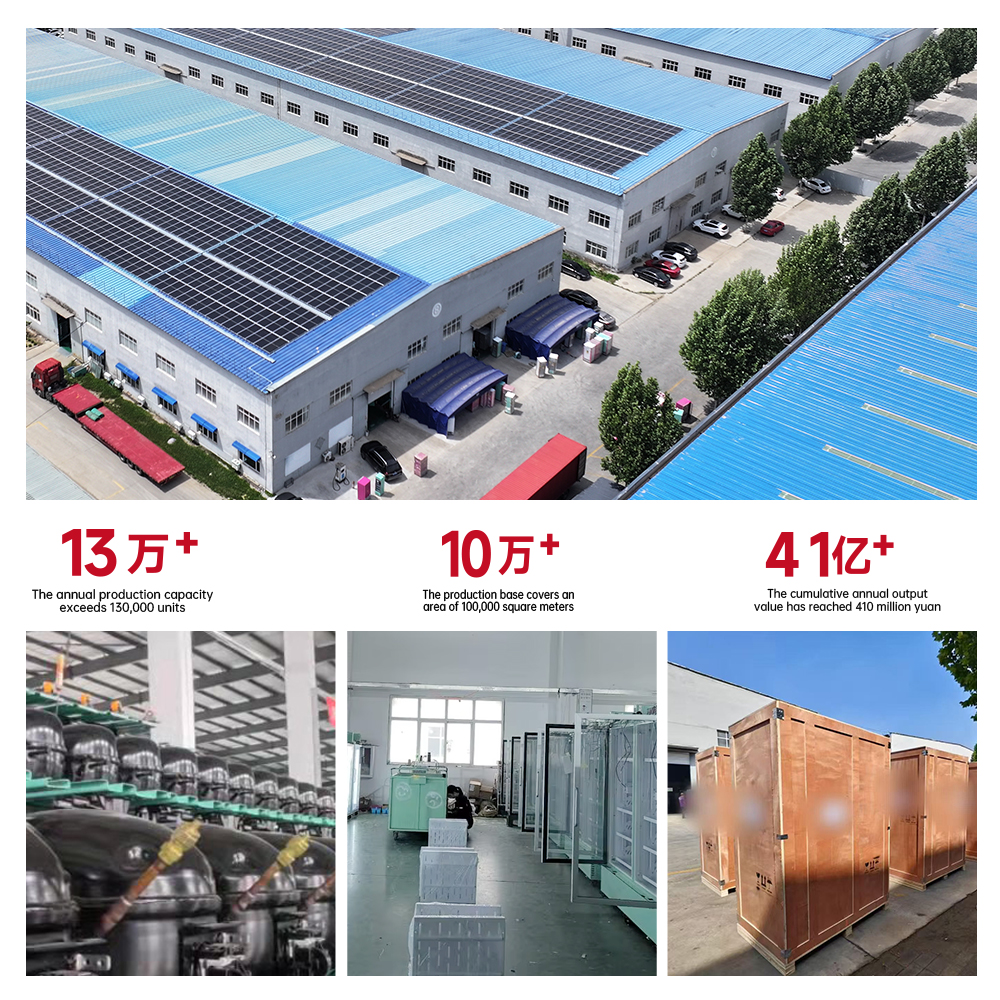
Unlike resellers or trading companies that rely on outside factories and generic third-party electronics, Zhigou Tech designs and develops its own proprietary control boards and cloud management software (VMS) in-house alongside its sheet-metal and refrigeration production lines. This full-stack ownership allows buyers to customize cabinet layouts, dispensing mechanisms, exterior branding, payment integrations, and software interfaces on demand—even for small pilot runs—while enjoying factory-direct pricing that balances industrial-grade build quality with competitive ROI. Backed by transparent live factory walkthroughs, real-product dispensing tests, international safety compliance documentation, and dedicated spare-parts supply, Zhigou Tech helps global operators and distributors build reliable, high-margin automated retail fleets without middleman markups.
FAQ
How can I tell if a vending machine supplier is a real factory or a trading company?
Ask to speak directly on a live video call with the mechanical or software engineer assigned to your model, request detailed cabinet drawings, and ask for a live walkthrough of the sheet-metal, wiring, and burn-in testing areas. Genuine direct factories own their production lines, develop their own control boards and software, and track spare parts by machine serial number, whereas trading companies buy from outside factories and cannot easily modify hardware or guarantee long-term parts availability.
Should I buy vending machines directly from a manufacturer or through a local distributor?
Buying directly from an OEM manufacturer is generally the best route when you want factory-direct pricing, custom branding, specialized smart hardware, or tailored software integration. Buying through a local distributor makes more sense if you only need one or two standard units immediately, want local equipment financing, or prefer relying on a local company for delivery and on-site repair service.
What warranty and spare-parts support should a reliable manufacturer provide?
Why is testing actual product samples so important before placing a bulk order?
Conclusion
References
- KioskForce. Vending Machine Manufacturers: The Five Types and How to Choose.
- Vending.com. How to Choose a Dependable Vending Supplier.
- IMT Vending. Best Vending Machine Brands: How to Compare Manufacturers.
- Zhongda Smart. How to Choose a Reliable Vending Machine Manufacturer.
- National Automatic Merchandising Association (NAMA). Vending Equipment Standards & Technical Guidelines.