What is an LLC?
A Limited Liability Company (LLC) is a formal US business structure that combines the operational flexibility and tax simplicity of a partnership or sole proprietorship with the robust personal asset protection of a corporation.
When you operate your business as an LLC, the law generally recognizes it as a separate legal entity from you as an individual. This means the LLC can have its own bank accounts, enter into contracts, own equipment and other assets, and assume its own legal obligations.
Do I Need an LLC for a Vending Machine Business?
Federal law does not require you to create an LLC in order to possess an automatic vending machine, but doing so puts you at serious danger. That means:
· There’s no separation between your personal and business finances
· You report income and losses on your personal tax return
· You have zero liability protection
That might function well when testing a single machine in a secure setting, but if your unattended retail vending machine is expanding, or if your vending machine investment is in public spaces like gyms, salons, businesses, or schools, that model quickly becomes dangerous.
When deciding whether to form an LLC, there are three key considerations to keep in mind:
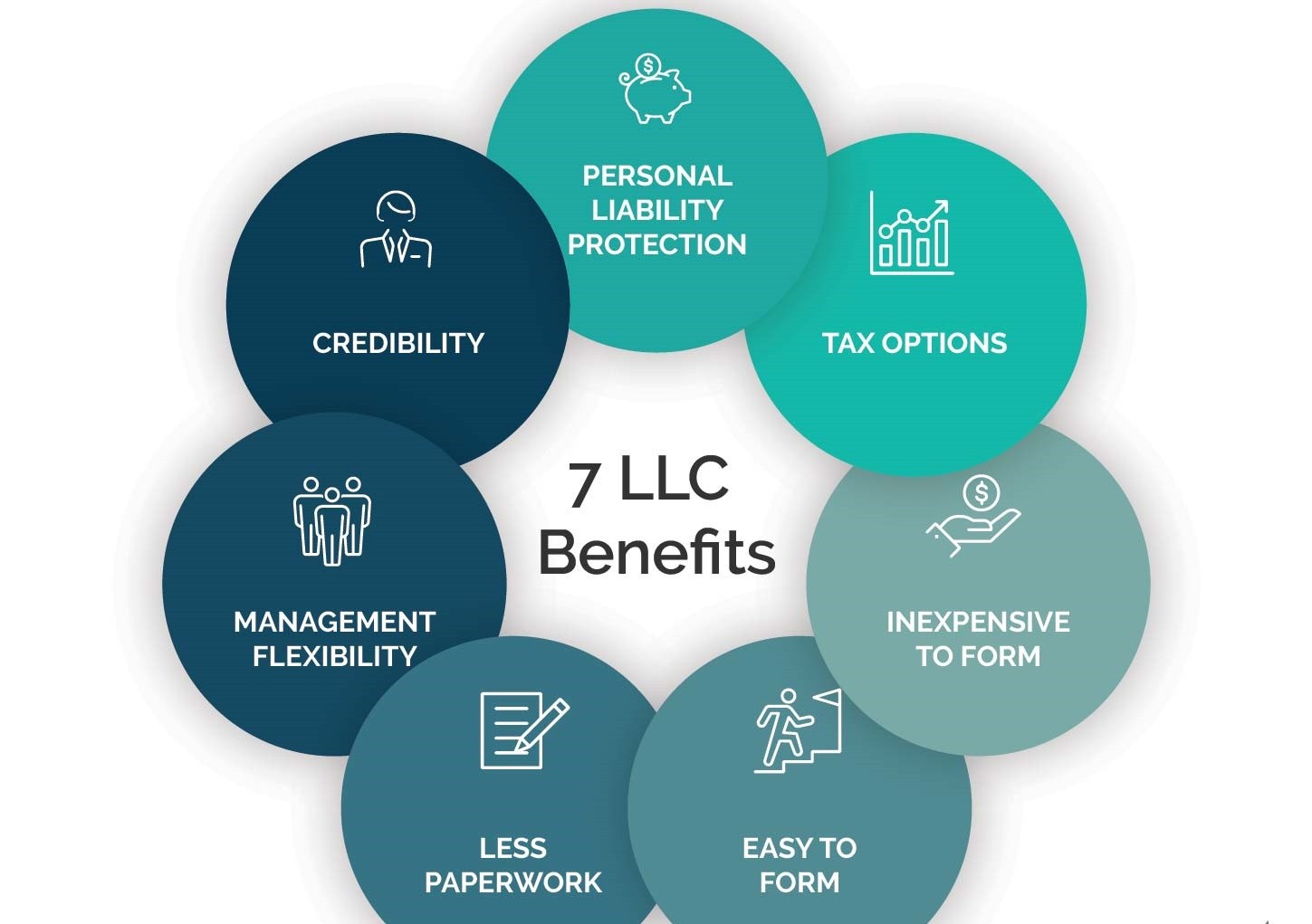
1. Comprehensive Liability Protection
The public interacts directly with automatic vending machines. A consumer may initiate a lawsuit if a machine breaks down and topples over, or if they believe anything inside your unattended retail vending machine caused them to contract serious food poisoning.
· Without an LLC: You operate as a sole proprietor. Your personal assets, including your home, savings accounts, and car, are entirely exposed to satisfy business debts or legal judgments.
· With an LLC: Your personal liability is limited. Only the assets owned explicitly by the company (the machines, inventory, and business bank account) are at risk, shielding your personal livelihood.
2. Commercial Credibility with Property Owners
The key to successful vending is securing high-traffic areas. A property management, corporate office, or retail facility will want to know that you are a reputable business when you approach them about placing your automatic vending machine. Presenting a formal business contract under a registered LLC name increases your chances of obtaining premium site agreements and fosters instant trust.
3. Flexible Tax Benefits
An LLC offers “pass-through taxation,” meaning the vending machine investment itself does not pay federal income tax. Rather of being subject to double taxes as traditional corporations are, the profits and losses go straight into your personal tax return. Additionally, it is considerably easier for an LLC owner to keep track of and deduct appropriate company expenses, such as:
· Equipment depreciation
· Vehicle mileage and fuel for your route
· Payment processing and telemetry subscription fees
· Wholesale inventory costs
How to Get an LLC for a Vending Machine Business?
The procedure for registering an LLC is simple, but it must adhere to certain state regulations. You must file with your local Secretary of State's office because requirements differ based on where you operate.
To legally establish your entity and prepare it for day-to-day operations, follow this structured roadmap:
· Choose Your State: If all of your automatic vending machines are located within a single state, you may register your LLC in that state. For multi state operations, it is recommended to establish your LLC in your primary state of business and complete foreign LLC registration for other states where you run your vending machine business.
· Choose a Unique Business Name: Your name must be completely distinguishable from existing businesses in your state and must typically include the designator “LLC” or “Limited Liability Company.”
· Appoint a Registered Agent: You must designate an individual or a professional service company with a physical address in your state to accept official legal correspondence and tax notices on behalf of your vending business for sale.
· File Articles of Organization: Submit this formal document to your state’s filing office (usually the Secretary of State) along with the required state filing fee.
· Draft an Operating Agreement: An operating agreement is very helpful, even if you are an LLC with just one member. In the eyes of judges and banks, it further solidifies your distinct legal position by outlining the company's operational and financial decision-making guidelines.
· Obtain an EIN (Employer Identification Number): Think of an EIN as a Social Security number for your business. You can get one for free directly from the IRS website in just a few minutes.
What Are the Vending-Specific Licensing and Operational Requirements?
Once your LLC is officially formed, you cannot simply plug in an unattended retail vending machine and start collecting revenue. There are several industry-specific operational requirements you must secure to stay fully compliant:
· Apply for a Seller’s Permit or Sales Tax License: vending machine investments are subject to state and local sales tax. To lawfully collect and submit sales tax on the snacks and drinks you sell, you must register with the Department of Revenue in your state.
· Secure Comprehensive Commercial Liability Insurance: Even with the structural shield of an LLC, your vending machine investment needs property and casualty insurance. A solid policy covers equipment vandalism, property damage during installation, and potential product liability claims.
· Open a Dedicated Business Bank Account: Never mix personal funds with business revenue. To maintain the legal protections of your LLC, you must route all equipment financing payments, wholesale inventory purchases, and cashless vending deposits through a dedicated business checking account.
Red Tape Making Your Head Spin?
That’s okay — we’re here to help. Get in touch with Zhigou Tech, your partner in your vending machine journey. We’ll walk you through the red tape and help you get set up with everything you need to become a successful vending operator.
Conclusion
An LLC is not federally required to start a vending machine business, but it can be an important step toward building a more secure and professional vending operation. By separating your personal assets from your business, an LLC can help reduce personal liability exposure while giving your vending machine investment a more established structure. For entrepreneurs starting with one automatic vending machine as a small-scale test, operating as a sole proprietor may be a simpler option. However, as you add more unattended retail vending machines, enter into location agreements, hire employees, or expand into high-traffic public locations, forming an LLC and obtaining appropriate insurance can provide valuable protection and credibility.
Before launching your vending machine business, make sure you understand your state and local requirements, including business registration, sales tax permits, vending licenses, insurance, and location-specific regulations.
The right business structure is only the beginning. Choosing reliable vending equipment, securing profitable locations, managing inventory efficiently, and providing a convenient customer experience are equally important to long-term success. With the right preparation and equipment partner, you can build a vending operation that is scalable, compliant, and ready to grow.
Reference
Do You Need an LLC for a Vending Machine Business? Your Ultimate Legal & Profitability Guide, https://vmfsusa.com/
Masters, P. (2024, March 4). Do I need an LLC for a vending machine business?